
Why Is My Axolotl Glass Surfing?

Glass surfing when your axolotl repeatedly swims up and down the tank walls typically signals stress, discomfort, or unmet needs. This abnormal behavior indicates something in the environment is wrong and requires your attention. Common causes include poor water quality (high ammonia, nitrites, or nitrates), incorrect water temperature (above 68°F), inadequate tank size, bright lighting, lack of hiding spots, hunger, or the presence of aggressive tank mates. Occasionally, new axolotls glass surf temporarily while adjusting to their environment, but persistent glass surfing always warrants investigation and corrective action to ensure your pet’s health and wellbeing.

Understanding Glass Surfing Behavior
Glass surfing looks distinctive and unmistakable once you’ve seen it. Your axolotl will swim vertically along the tank glass, often repeatedly tracing the same path up and down or pacing back and forth along the front panel. The behavior appears frantic and compulsive quite different from normal exploratory swimming where axolotls move leisurely around their environment, investigating decorations and resting periodically.
This stress response behavior serves no productive purpose and actually exhausts your axolotl unnecessarily. In their natural habitat, axolotls rarely encounter invisible barriers, so glass walls represent confusing obstacles they instinctively try to escape when experiencing discomfort. The persistent attempt to swim through or past the glass reflects their distress and desire to flee from whatever’s causing discomfort.
Primary Triggers for Glass Surfing
Water quality problems top the list of glass surfing causes. Axolotls are extremely sensitive to dissolved waste products. Ammonia and nitrite even in concentrations as low as 0.25 ppm irritate their skin, gills, and mucus membranes, creating intense discomfort that triggers escape behaviors. Elevated nitrates above 40 ppm also cause chronic stress. Test your water immediately using a reliable liquid test kit if you observe glass surfing.
Temperature stress is another frequent culprit. Axolotls require cool water between 60-64°F (16-18°C). When temperatures climb above 68°F, their metabolism accelerates uncomfortably, dissolved oxygen decreases, and they become increasingly agitated. During summer months or in warm climates, inadequate temperature control commonly triggers glass surfing. Consider aquarium chillers, fans, or frozen water bottles if temperature management is challenging.
Inadequate space causes territorial stress, especially with multiple axolotls. Each individual needs approximately 10 gallons minimum, so overcrowding creates persistent anxiety. Even single axolotls can feel stressed in tanks smaller than 20 gallons long, as limited swimming space prevents natural movement patterns.
Insufficient hiding spots leave axolotls feeling vulnerable and exposed. As naturally reclusive creatures that hide during daylight hours in the wild, axolotls without adequate caves, plants, or shelters experience constant anxiety. Bright lighting compounds this problem, making them desperate to find darkness and security they can’t access.
Solving Glass Surfing Issues
Addressing glass surfing requires methodical troubleshooting to identify and eliminate the stressor.
Step 1: Test Water Parameters Immediately
Use a liquid test kit (not strips, which are less accurate) to check ammonia, nitrite, nitrate, pH, and temperature. If ammonia or nitrite registers above 0 ppm, perform an immediate 50% water change with dechlorinated, temperature-matched water. Continue daily 25-50% water changes until parameters stabilize at ammonia 0 ppm, nitrite 0 ppm, and nitrate below 20 ppm.
Step 2: Verify Temperature
Ensure water stays consistently between 60-64°F. Temperatures above 68°F require immediate cooling. Float frozen water bottles (sealed in zip-lock bags), increase surface agitation for evaporative cooling, use clip-on fans, or invest in aquarium chillers for long-term solutions. Avoid sudden temperature drops cool gradually over several hours.
Step 3: Evaluate Environmental Enrichment
Add multiple hiding spots caves, PVC pipes, terra cotta pots, or dense silk plants ensuring your axolotl can completely conceal itself. Provide at least 2-3 hiding options per axolotl. Reduce lighting by dimming aquarium lights, using floating plants to create shade, or keeping lights off entirely if the room receives natural ambient light.
Step 4: Assess Tank Size and Mates
If your tank is undersized or houses incompatible species, plan to upgrade or separate animals. Glass surfing often resolves completely once axolotls have adequate personal space.
Step 5: Consider Feeding Schedule
Hungry axolotls sometimes glass surf before feeding time. Ensure juvenile axolotls eat daily and adults receive meals 2-3 times weekly with appropriately sized portions.
Step 6: Monitor for Illness
If glass surfing persists after environmental corrections, examine your axolotl closely for signs of disease: pale or deteriorating gills, white fuzzy patches (fungus), red streaks (bacterial infection), or lethargy. Consult experienced axolotl keepers or veterinarians for treatment guidance.
Quick FAQ
Is glass surfing ever normal?
Newly introduced axolotls may glass surf for 24-48 hours while acclimating, but persistent glass surfing beyond this adjustment period always indicates problems requiring correction.
My axolotl only glass surfs at night why?
Axolotls are naturally nocturnal and more active after dark. If stress factors exist, nighttime activity amplifies the behavior, making it more noticeable during evening hours.
Could my axolotl be bored?
Axolotls don’t experience boredom like mammals. Glass surfing reflects physical discomfort or stress rather than need for entertainment. Focus on environmental factors, not enrichment activities.
Will glass surfing harm my axolotl?
The behavior itself causes exhaustion and stress, weakening immune function over time. More importantly, the underlying cause (poor water quality, temperature issues) poses serious health risks if left unaddressed.
How long does it take to stop glass surfing after fixing problems?
Once you’ve corrected the stressor, most axolotls reduce glass surfing within hours to days. Persistent behavior beyond 3-4 days suggests either incomplete correction or additional underlying issues.
Administrator
Abdul Wasay is the founder and lead author of Axolotl Portal, a trusted site for axolotl care. He spent almost nine months learning about axolotls, including their tanks, feeding, water care, and common health problems. His knowledge comes from trusted vets, research, and real experience from long term axolotl owners. All Posts by
Related Guides
Why Does My Axolotl Yawn?
Abdul Wasay Khatri
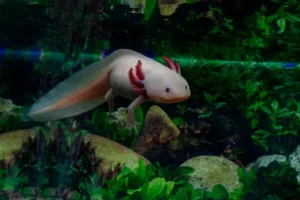
Why Is My Axolotl Hiding?
Abdul Wasay Khatri
Do Axolotl Bites Hurt? I Let Mine Bite Me To Find Out
Abdul Wasay Khatri
Why Is My Axolotl Biting the Other Axolotl?
Abdul Wasay Khatri
Do Axolotls Have Teeth? What Their Mouth Really Looks Like
Abdul Wasay Khatri
Do Axolotls Play Dead?
Abdul Wasay Khatri
Do Axolotls Make Noise?
Abdul Wasay Khatri
What Does a Healthy Axolotl Look Like? Easy Check Guide
Abdul Wasay Khatri
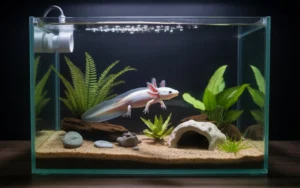
Can Axolotls See in the Dark?
Abdul Wasay Khatri
Do Axolotls Recognize Their Owners?
Abdul Wasay Khatri