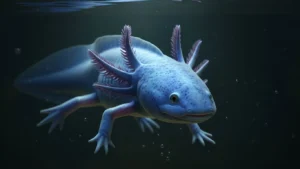
What Should I Do If My Axolotl Jumps Out of the Tank?

Immediate Action Required
If your axolotl jumps out of the tank, immediately pick it up with wet hands and gently place it back in the water. Do not panic or handle it roughly. Check for visible injuries, remove any debris stuck to its skin, and monitor closely for the next 48 hours. Add a tank lid if you don’t have one, as axolotls can jump out repeatedly when stressed.

Why Axolotls Jump and What Happens
Axolotls jump out of tanks due to poor water quality, stress, incorrect temperature, or lack of a proper lid. Their skin begins to dry out within minutes of being out of water, which can cause severe damage or death. The longer an axolotl is out of water, the more critical the situation becomes. Within 15-30 minutes, their delicate skin can start to crack and their gills can become irreparably damaged.
When an axolotl lands on carpet, tile, or other surfaces, it can pick up lint, hair, and bacteria that stick to its protective slime coat. This foreign material can lead to infections if not removed. Additionally, the impact from falling can cause internal injuries or damage to their external gills, though axolotls can regenerate these over time if they survive the initial trauma.
The stress from jumping out weakens their immune system for several days, making them vulnerable to fungal and bacterial infections. This is why close monitoring after the incident is crucial early detection of health issues significantly improves recovery chances.
Post-Rescue Care Steps
After returning your axolotl to the tank, observe its behavior for several hours. A healthy recovery means the axolotl will resume normal swimming and breathing patterns within 30 minutes to an hour. Check water parameters immediately ammonia, nitrites, and nitrates should all be at safe levels, and temperature should be between 60-64°F. Poor water quality is the most common reason axolotls attempt to escape.
Watch for signs of distress including frantic swimming, gasping at the surface, pale or discolored gills, or excessive mucus production. If you notice any injuries like torn gills, missing limbs, or skin damage, reduce water flow to minimize stress and consider adding Indian almond leaves or stress coat to support healing. Avoid handling the axolotl unless absolutely necessary.
For the next week, perform daily water checks and maintain pristine conditions. Do not feed your axolotl for 24 hours after the incident to reduce waste and stress. When you resume feeding, start with small amounts and gradually return to the normal schedule once the axolotl is eating enthusiastically.
FAQ
How long can an axolotl survive out of water?
Axolotls can survive 30 minutes to several hours out of water in cool, humid conditions, but permanent damage can occur within 15 minutes. The longer they’re out, the lower the survival rate.
Should I add salt after my axolotl jumped out?
Only add aquarium salt (not table salt) if you notice fungus or infection developing. Use 1 teaspoon per 10 gallons for no more than 10 days. Salt is not necessary for prevention.
Will my axolotl die from jumping out once?
Most axolotls survive a single jump if returned to water quickly and no serious injuries occurred. The key is addressing why it jumped to prevent future incidents.
How can I prevent my axolotl from jumping out again?
Install a secure lid with ventilation, maintain proper water parameters (60-64°F, 0 ammonia, 0 nitrites), reduce tank stress, and ensure adequate space (20 gallons minimum per axolotl).
My axolotl’s gills look damaged after jumping out. Will they grow back?
Yes, axolotls can regenerate damaged gills completely within 4-8 weeks if kept in pristine water conditions. Ensure water quality is perfect to support regeneration.
Administrator
Abdul Wasay is the founder and lead author of Axolotl Portal, a trusted site for axolotl care. He spent almost nine months learning about axolotls, including their tanks, feeding, water care, and common health problems. His knowledge comes from trusted vets, research, and real experience from long term axolotl owners. All Posts by
Related Guides
How Much Does a Baby Axolotl Cost?
Abdul Wasay Khatri
How Do You Spell Axolotl? (Plus Why It’s So Tricky!)
Abdul Wasay Khatri
Are Axolotls Legal In California? Here’s The Truth (2026)
Abdul Wasay Khatri
How to Care for Axolotl Eggs: A Complete Hatching Guide
Abdul Wasay Khatri
How Long Do Axolotls Live? The Truth About Axolotl Lifespan From 7 Years of Experience
Abdul Wasay Khatri
Do Axolotls Have Bones? Everything You Need To Know (2026)
Abdul Wasay Khatri
What Fish Can Live With Axolotls? The Honest Truth
Abdul Wasay Khatri
Can Axolotls Live with Shrimp?
Abdul Wasay Khatri
Buy Best Axolotl Night Light for Kids: Your Ultimate Buying Guide for the Perfect Bedtime Companion
Abdul Wasay Khatri

Are Blue Axolotls Real? The Truth About Blue Axolotl Colors
Abdul Wasay Khatri