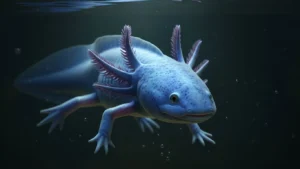
What Are the Conditions for Axolotls to Spawn in Minecraft? Complete Guide

After three years of playing Minecraft and hunting for axolotls across countless worlds, I’ve learned exactly where and how these adorable creatures appear. Many players struggle to find them because the spawning conditions are specific. Let me break down everything you need to know about axolotl spawning.

The Basic Spawning Requirements
Axolotls don’t spawn just anywhere there’s water. They need very particular conditions to appear naturally in your Minecraft world.
Location requirement: Axolotls only spawn in complete darkness below y-level 63 (sea level). This means they appear exclusively in underground water sources.
Water blocks needed: They require water blocks to spawn in. The water must be part of a lush cave biome specifically, though they can survive in any water once spawned.
Light level: Total darkness is necessary. If there’s any light source nearby, axolotls won’t spawn in that area.
Block below water: Axolotls spawn in water that’s above clay blocks specifically. This is a key detail many players miss.
I’ve searched dozens of caves and found that understanding these exact conditions saves hours of frustration.
Finding Lush Caves
Lush caves are the primary biome where axolotls spawn naturally. These beautiful underground areas have distinctive features:
Visual markers: Look for azalea trees on the surface. These indicate lush caves directly below. Dig down beneath azalea trees to find the cave system.
Cave features: Lush caves contain moss blocks, moss carpets, azalea bushes, flowering azaleas, clay, dripleaf plants, and glow berries. The greenery makes them easy to identify.
Water sources: These caves always have water pools and underground lakes where axolotls spawn.
Depth: Remember, you need to be below y-level 63. Press F3 (on Java) or check your coordinates to see your current y-level.
The easiest method I’ve found is locating azalea trees on the surface, then digging straight down. You’ll hit the lush cave within minutes.
Specific Spawning Mechanics
Understanding the technical details helps you find axolotls more efficiently:
Clay block requirement: The water block where axolotls spawn must have a clay block somewhere within a 5-block radius below it. Not directly under necessarily, but nearby within that range.
Spawn groups: When conditions are met, axolotls spawn in groups of 1-4 individuals together.
Spawn attempts: The game makes spawn attempts in valid locations, but not every attempt succeeds. This is why you might find some areas with many axolotls and others with none.
Light level zero: Any light level above 0 prevents spawning. Even a single torch many blocks away can stop spawns if it provides any illumination to the water.
I test spawning conditions by ensuring complete darkness and confirming clay blocks are present nearby.

Color Variants and Spawn Rates
Axolotls spawn in five different colors with varying rarity:
Pink (leucistic): Most common variant Brown (wild type): Common Gold: Common
Cyan: Common Blue: Extremely rare, cannot spawn naturally
The first four colors have equal spawn chances. Blue axolotls only come from breeding, with a 1 in 1200 chance per baby.
During my three years playing, I’ve found hundreds of pink, brown, gold, and cyan axolotls naturally, but never a blue one in the wild.
Best Strategies for Finding Axolotls
Here are proven methods I use to locate axolotls quickly:
Method 1: Surface azalea search Walk across the surface looking for azalea trees. Mark each location with torches or signs. Dig down under multiple trees to access several lush caves. This spreads your search across many potential spawn locations.
Method 2: Cave exploration Enter natural cave systems and explore downward until you’re below y-level 63. Look for the distinctive green plants indicating lush cave biomes. Check every water source you find.
Method 3: Night mining Mine at night (or sleep through days) because some players report slightly better spawn rates during night cycles. This isn’t confirmed by Mojang but matches my experience.
Method 4: Create darkness If you find a lush cave with water but no axolotls, remove all light sources completely. Wait a few minutes in the area (don’t go too far away). New axolotls should spawn in the darkness.
Common Locations to Check
Based on hundreds of hours exploring, these specific places often have axolotls:
Underground lakes in lush caves: Large water bodies below y-63 in lush caves are prime spawning areas.
Small water pools: Even tiny puddles can spawn axolotls if they meet the requirements.
Connected waterways: Water flowing through lush cave systems provides multiple spawning locations.
Flooded caves: Partially flooded lush caves with clay deposits are excellent hunting grounds.
The largest collection I found in one location was 11 axolotls in a single underground lake. That cave had perfect conditions: complete darkness, massive clay deposits, and extensive water.
Why You Might Not Be Finding Axolotls
Wrong biome: Not all underground water is in lush caves. Regular caves won’t spawn axolotls even if conditions seem right.
Too much light: A single torch or glowstone can prevent spawning in nearby water. Remove all light sources completely.
Wrong y-level: Above sea level (y-63), axolotls never spawn. Go deeper.
No clay nearby: Without clay blocks within 5 blocks below the water, axolotls won’t appear.
Bad luck: Sometimes you need to check multiple locations. Spawning is probabilistic, not guaranteed.
Mob cap reached: If too many mobs exist nearby, new ones can’t spawn. Clear out hostile mobs in the area.
I’ve seen players search for hours in regular caves wondering why they find nothing. Always confirm you’re in an actual lush cave biome.
Creating Your Own Axolotl Spawn Area
You can build a custom spawning area if natural ones are scarce:
Step 1: Find or create a space below y-level 63 in complete darkness.
Step 2: Place clay blocks on the floor.
Step 3: Add water blocks above and around the clay (within 5 blocks vertically).
Step 4: Remove all light sources completely.
Step 5: Move away and return after a few minutes. Axolotls should begin spawning.
This works in any biome once you create the right conditions, though natural lush caves remain more reliable.
Differences Between Java and Bedrock
Spawning mechanics are nearly identical across editions with minor differences:
Java Edition: Spawning follows the exact conditions described above. Very predictable once you understand the requirements.
Bedrock Edition: Spawning works the same but some players report slightly different spawn rates. The core requirements remain unchanged.
I primarily play Java but have tested Bedrock extensively. Both versions spawn axolotls reliably in proper conditions.
Maximizing Your Axolotl Collection
Bring multiple buckets: When you find axolotls, scoop up as many as possible before they wander off or take damage.
Mark coordinates: Note the location of good spawning areas. You can return later for more axolotls.
Check back regularly: Spawn areas repopulate over time. Revisit productive caves every few hours.
Breed for colors: Catch multiple colors to breed and create a full collection including the elusive blue variant.
Transport safely: Use buckets to move axolotls to your base without risk of losing them.
My main world has three prime spawning locations I visit regularly. This keeps my breeding stock diverse.
Troubleshooting Spawn Issues
No spawns after 10 minutes: Verify you’re in a lush cave, below y-63, in complete darkness, with clay present.
Axolotls despawning: They shouldn’t despawn naturally, but using name tags guarantees they won’t vanish.
Can’t find lush caves: Use the azalea tree method. They’re direct markers for lush caves below.
Found one, then no more: Single spawns happen. Wait longer or check adjacent water areas.
Final Thoughts
What are the conditions for axolotls to spawn in Minecraft? They need complete darkness below y-level 63 in water above clay blocks within lush cave biomes. These specific requirements mean axolotls only appear in certain underground locations.
After three years of Minecraft experience, I can find axolotls quickly by targeting azalea trees, exploring lush caves thoroughly, and ensuring perfect darkness. The key is understanding that not all underground water spawns these creatures only specific conditions work.
Head below ground, find those lush caves with clay and water, remove all light, and wait. Soon you’ll have your own collection of pink, brown, gold, and cyan axolotls. Happy hunting!
Administrator
Abdul Wasay is the founder and lead author of Axolotl Portal, a trusted site for axolotl care. He spent almost nine months learning about axolotls, including their tanks, feeding, water care, and common health problems. His knowledge comes from trusted vets, research, and real experience from long term axolotl owners. All Posts by
Related Guides
Can Axolotls Be Killed by Mobs in Minecraft? Everything You Need to Know
Abdul Wasay Khatri

How to Tame Axolotls in Minecraft: Complete Guide
Abdul Wasay Khatri
Do Axolotls Kill Frogs in Minecraft? The Complete Answer
Abdul Wasay Khatri

How to Find Axolotls in Minecraft: Step-by-Step Location Guide
Abdul Wasay Khatri
Do Axolotls Teleport in Minecraft? Everything You Need to Know
Abdul Wasay Khatri
What Do Axolotls Eat in Minecraft: Feeding Guide
Abdul Wasay Khatri
Dolphins and Axolotls in Minecraft: Do They Attack Each Other?
Abdul Wasay Khatri
How to Feed Axolotls in Minecraft – Easy Food Guide
Abdul Wasay Khatri
How to Breed Axolotls in Minecraft: Complete Guide
Abdul Wasay Khatri
How to Get a Blue Axolotl in Minecraft (The Real Method)
Abdul Wasay Khatri