How to Test Water Parameters for Axolotls: A Practical Guide

Testing water quality saved my axolotls more times than I can count during my five years keeping these creatures. Many beginners skip this step and wonder why their pets get sick. Learning proper testing methods prevents 90% of common health problems.

Why Water Testing Matters for Your Axolotl
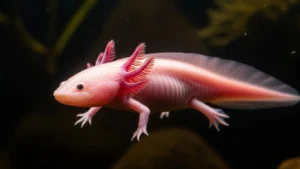
Axolotls breathe through their skin and gills, absorbing everything dissolved in water. Invisible toxins like ammonia and nitrite cause burns, organ damage, and death within days. Regular testing catches problems before your pet shows symptoms.
I learned this the hard way when my first axolotl developed red, inflamed gills. Testing revealed ammonia at 0.5 ppm enough to cause chemical burns. Daily water changes and monitoring brought levels down, and my axolotl recovered.
Essential Parameters You Must Monitor
Five measurements determine if your tank stays safe:
Ammonia: Should always read 0 ppm. Even 0.25 ppm harms axolotls over time. This toxic waste comes from uneaten food and biological waste.
Nitrite: Must stay at 0 ppm. Nitrite prevents oxygen absorption, suffocating your axolotl from the inside. Brown or purple gills signal nitrite poisoning.
Nitrate: Keep below 20 ppm, ideally under 10 ppm. High nitrate weakens immunity and causes stress, though it’s less immediately dangerous than ammonia or nitrite.
pH Level: Maintain between 6.5 and 8.0, with 7.4 to 7.6 being optimal. This affects how toxins behave in water and impacts your axolotl’s skin health.
Temperature: Hold steady at 60-64°F. Anything above 70°F causes severe stress and can be fatal. Use an aquarium thermometer, not guesswork.
Choosing the Right Testing Equipment
Invest in quality over convenience. Liquid test kits beat strips every time for accuracy. After trying both types, I only trust liquid reagent kits.
API Master Test Kit: Contains everything for ammonia, nitrite, nitrate, and pH testing. One kit lasts 6-12 months and costs less than repeated vet visits.
Digital Thermometer: Get one with a probe that stays in the tank for constant monitoring. Temperature fluctuations happen fast during summer months.
Liquid Test Kits: Provide precise readings with color-matched charts. Follow instructions exactly wrong drop counts give false results.
Avoid cheap test strips. They expire quickly, give inconsistent readings, and don’t measure ammonia accurately enough for sensitive amphibians.
Step-by-Step Testing Process
Testing takes 10 minutes once you establish a routine. Here’s my method:
Collect Water Sample: Use the included test tube, filling to the marked line. Take water from mid-tank level, away from filters and decorations.
Add Reagent Drops: Follow bottle instructions precisely. Most tests need 5-10 drops. Shake bottles before use settled chemicals give wrong readings.
Wait for Reaction: Each test has specific timing. Ammonia needs 5 minutes, nitrate needs 5 minutes after shaking. Set a timer rather than guessing.
Compare Colors: Hold tubes against the white card under good lighting. Natural daylight works best. Match colors carefully similar shades mean different readings.
Record Results: Keep a logbook with date, readings, and any actions taken. This creates a history showing trends before crises develop.
Testing Schedule That Works
Your testing frequency depends on tank maturity and stocking.
New Tanks (First 6 Weeks): Test ammonia and nitrite daily. You’re watching the nitrogen cycle establish. Expect ammonia to rise, then nitrite spikes, then both drop to zero.
Established Tanks: Test weekly for all parameters. This catches slow buildups before they become emergencies. Always test before and after water changes.
After Changes: Test whenever you add decorations, change filters, or notice behavioral shifts. New items can alter chemistry unexpectedly.
Emergency Situations: Test immediately if your axolotl shows stress signs floating, refusing food, damaged gills, or lethargy.
Reading and Understanding Results
Numbers tell stories about your tank health. Here’s what different readings mean:
Ammonia Above 0: Your cycle crashed or you’re overfeeding. Stop feeding, change 50% water daily, add beneficial bacteria supplement.
Nitrite Above 0: Beneficial bacteria colony needs strengthening. Reduce feeding, increase aeration, add aquarium salt at 1 tablespoon per 5 gallons temporarily.
Nitrate Climbing: You need more frequent water changes. Nitrate accumulates over time weekly 20% changes keep it manageable.
pH Swings: Inconsistent between tests means unstable water chemistry. Check substrate and decorations some materials alter pH constantly.
Common Testing Mistakes to Avoid
Don’t test with wet tubes leftover water dilutes reagents. Rinse with tank water, then shake dry before filling.
Never test immediately after water changes. Wait 30 minutes for parameters to stabilize and mix thoroughly.
Store test kits away from heat and sunlight. Reagents degrade when exposed to extreme temperatures or UV light, giving false readings.
Check expiration dates. Old chemicals produce inaccurate results that waste your time and risk your axolotl’s health.
What to Do When Parameters Go Wrong
Act fast when tests show problems. Every hour counts with ammonia or nitrite spikes.
Change 50% water immediately using temperature-matched, conditioned water. Test again after 30 minutes to verify improvement.
Stop feeding until readings stabilize. Uneaten food makes problems worse by adding more waste.
Increase aeration with an air stone. Extra oxygen helps your axolotl cope with stress while you fix water quality.
Frequently Asked Questions
How often should I test water for axolotls?
Test daily during the first 6-8 weeks while your tank cycles. Once established, test weekly. Always test when you notice behavior changes or after adding anything new to the tank.
Can I use test strips instead of liquid kits?
Strips lack accuracy for sensitive species like axolotls. They miss small ammonia amounts that still harm your pet. Liquid kits cost more upfront but provide reliable readings that protect your investment.
What do I do if ammonia shows up in my cycled tank?
Perform immediate 50% water change, stop feeding for 24 hours, and test daily. Crashed cycles happen from medication use, filter cleaning, or overfeeding. Re-establish bacteria with bottled supplements.
Why does my pH change between morning and evening?
Plants and biological activity alter pH throughout the day. Carbon dioxide from respiration lowers pH at night, then rises during daylight. Test at the same time daily for consistent tracking.
How long do test kits stay accurate?
Unopened kits last 2-3 years. Once opened, use within 6-12 months. Store in cool, dark places. Expired reagents give false readings replace them when colors look faded or results seem wrong.
Do I need to test ammonia if I have an established tank?
Yes, always test ammonia weekly. Filter malfunctions, dead tank mates, or accidental overfeeding can spike ammonia overnight in any tank, regardless of age or stability.
Administrator
Abdul Wasay is the founder and lead author of Axolotl Portal, a trusted site for axolotl care. He spent almost nine months learning about axolotls, including their tanks, feeding, water care, and common health problems. His knowledge comes from trusted vets, research, and real experience from long term axolotl owners. All Posts by
Related Guides
Complete Axolotl Tank Setup Guide: Size, Equipment & Care (2026)
Abdul Wasay Khatri
How to Acclimate a New Axolotl to Your Tank: A Complete Guide
Abdul Wasay Khatri
Can Axolotls Live in a 20 Gallon Tank?
Abdul Wasay Khatri
Can Axolotls Live in a 10 Gallon Tank?
Abdul Wasay Khatri
What is the Ideal pH for Axolotls? Everything You Need to Know
Abdul Wasay Khatri
How Big of a Tank Does an Axolotl Need? The Size Reality Check
Abdul Wasay Khatri