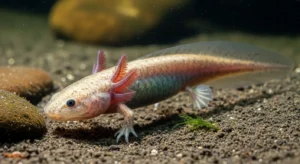
How to Save a Dying Axolotl: Emergency Steps That Actually Work

Finding your axolotl floating, not moving, or looking sick is scary. Don’t panic there are things you can do right now that might save your pet’s life.
This guide covers the emergency steps you need to take immediately and how to spot what’s wrong.

Quick Emergency Checklist
If your axolotl looks like it’s dying, do these things RIGHT NOW:
| Emergency Action | Why It Matters |
|---|---|
| Check water temperature | Should be 60-64°F (too hot kills fast) |
| Test water quality | High ammonia/nitrite is deadly |
| Do 50% water change | Removes toxins immediately |
| Turn off bright lights | Reduces stress |
| Remove uneaten food | Stops water from getting worse |
| Add air stone | Increases oxygen in water |
Do these steps first, then keep reading to figure out what’s wrong.
Signs Your Axolotl Is Dying
| Warning Sign | What It Means |
|---|---|
| Floating at top | Can’t control swimming, very sick |
| Lying on side | Too weak to stay upright |
| Not moving at all | Extremely weak or dying |
| Gills falling off or shrinking | Oxygen problem or infection |
| Pale or white color | Serious illness or shock |
| Curled tail tip | Water quality issue or stress |
| Refusing food for 5+ days | Something is very wrong |
| Fuzzy white growth | Fungal infection spreading |
| Red or bloody patches | Internal bleeding or infection |
If you see any of these, your axolotl needs help fast.
Step 1: Fix the Water Immediately
Bad water is the number one killer of axolotls. Fix this first.
Check Temperature
| Temperature | Action Needed |
|---|---|
| Below 60°F | Too cold warm up slowly |
| 60-64°F | Perfect leave it alone |
| 65-70°F | Getting dangerous cool it down |
| Above 70°F | EMERGENCY cool immediately |
If water is too hot:
- Add ice cubes in a ziplock bag (don’t put ice directly in tank)
- Point a fan at the water surface
- Do a water change with cooler treated water
- Move tank to coolest room in house
If water is too cold:
- Move tank away from AC or drafts
- Add aquarium heater set to 62°F (turn off when it hits that)
Test Water Quality
Get a liquid test kit (not strips they’re not accurate) and check these:
| Water Parameter | Safe Level | Dangerous Level |
|---|---|---|
| Ammonia | 0 ppm | Anything above 0 |
| Nitrite | 0 ppm | Anything above 0 |
| Nitrate | Below 20 ppm | Above 40 ppm |
| pH | 6.5-8.0 | Below 6.5 or above 8.5 |
If ammonia or nitrite are above 0:
- Do a 50% water change RIGHT NOW
- Add water conditioner that removes ammonia (like Seachem Prime)
- Test again in 2 hours
- Keep doing water changes until levels hit zero
Do an Emergency Water Change
Don’t wait do this now:
- Remove 50% of tank water
- Add tap water treated with conditioner
- Match the temperature to what’s in the tank
- Pour slowly so you don’t stress the axolotl more
Do this even if you just changed water yesterday. Dying axolotl = emergency water change.
Step 2: Figure Out What’s Wrong
Now that water is better, figure out the problem.
Temperature Shock
| Symptom | What Happened |
|---|---|
| Floating, can’t swim right | Water got too hot too fast |
| Gills bright red and fluffy | Water way too hot (above 75°F) |
| Not moving, pale | Water temperature changed suddenly |
How to fix it:
- Get water to 60-64°F slowly (change 2-3 degrees per hour)
- Keep lights off
- Don’t feed for 2-3 days
- Watch closely for improvement
Ammonia or Nitrite Poisoning
| Symptom | What Happened |
|---|---|
| Gills damaged or falling off | Ammonia burned them |
| Red spots on skin | Chemical burns from bad water |
| Gasping at surface | Can’t breathe properly |
How to fix it:
- Do daily 25% water changes until levels stay at zero
- Add beneficial bacteria (like Seachem Stability)
- Don’t feed until ammonia is zero for 3 days
- Add extra air stone for oxygen
Fungal Infection
| Symptom | What It Looks Like |
|---|---|
| White fuzzy patches | Cotton-like growth on skin or gills |
| Slime coating peeling | Looks like clear sheets coming off |
How to fix it:
- Do 50% water change
- Lower temperature to 60°F (slows fungus)
- Add aquarium salt: 1 tablespoon per 10 gallons
- Keep water super clean with daily small water changes
- If it doesn’t improve in 3 days, get antifungal treatment
Bacterial Infection
| Symptom | What It Looks Like |
|---|---|
| Red patches or streaks | Blood-looking marks on body |
| Swollen body parts | Puffy belly or limbs |
| Cloudy eyes | White film over eyes |
How to fix it:
- Do 50% water change
- Keep temperature at 62-64°F
- Add aquarium salt (same as fungal treatment)
- If no improvement in 2 days, you need antibiotics from a vet
Impaction (Blocked Stomach)
| Symptom | What It Looks Like |
|---|---|
| Swollen belly | Looks bloated and round |
| Floating uncontrollably | Can’t stay on bottom |
| Not pooping | Nothing coming out for days |
How to fix it:
- Stop feeding completely
- Lower temperature to 60°F (slows digestion)
- Do daily water changes
- Put axolotl in shallow container (fridging see below)
- Wait 5-7 days to see if it passes
Step 3: The Fridging Method (Advanced)
If your axolotl is really sick and not getting better, fridging can save its life. This slows everything down so it can heal.
When to Fridge
| Use Fridging For | Don’t Use For |
|---|---|
| Impaction | Temperature shock (too hot already) |
| Serious illness | Minor problems |
| Not eating for week+ | Fungal infections (makes worse) |
| Floating badly | If you’re not sure what’s wrong |
How to Fridge Safely
What you need:
- Small container (like tupperware)
- Dechlorinated water
- Fridge that stays 40-45°F
- Daily fresh water
Steps:
- Fill container with treated tank water
- Put axolotl in container (water should cover it but be shallow)
- Put container in fridge
- Change 100% of water every single day
- Keep in fridge for 5-14 days depending on problem
- Slowly warm back up (move to cool room for day, then back to tank)
Check your axolotl daily. It should barely move that’s normal in the fridge.
Step 4: Stop Feeding
This sounds wrong but it helps:
| Situation | How Long to Stop Food |
|---|---|
| Any illness | 3-5 days minimum |
| Impaction | 7-14 days |
| After fridging | 2 days after back in tank |
| Water quality issues | Until ammonia/nitrite = 0 for 3 days |
Food makes sick axolotls worse. They’ll be fine without eating for 2 weeks. Seriously.
Step 5: Watch for Improvement
| Good Signs (Getting Better) | Bad Signs (Getting Worse) |
|---|---|
| Gills getting fluffy again | Gills completely gone |
| Starting to move around | Still not moving after 3 days |
| Color coming back | Turning more pale/white |
| Eating small amounts | Still refusing food after week |
| Wounds healing | New wounds appearing |
Give it at least 3-5 days to see improvement. Axolotls heal slow.

When to Give Up (Sad but Real)
Sometimes you can’t save them. Here’s when to consider letting go:
| Sign They’re Not Going to Make It | What to Do |
|---|---|
| Not moving for 3+ days despite treatment | Consider humane euthanasia |
| Body falling apart or rotting | Talk to vet about options |
| No gill movement for 48 hours | Might already be gone |
| Completely white and stiff | Probably already dead |
If you think it’s time, a vet can help with humane euthanasia. Don’t flush or freeze alive that’s cruel.
How to Prevent This From Happening Again
Once your axolotl is better (or if you get a new one), do these things:
| Prevention Step | How Often |
|---|---|
| Test water | Once a week minimum |
| Water changes | 25% every week |
| Check temperature | Every single day |
| Clean filter | Every 2-4 weeks |
| Watch for behavior changes | Daily when feeding |
| Keep tank cool | Always 60-64°F |
| Don’t overfeed | Every 2-3 days for adults |
Most dying axolotls could have been saved if the owner caught problems early.
Emergency Supplies to Keep On Hand
| Supply | Why You Need It | Cost |
|---|---|---|
| Water test kit | Check for poison fast | $20-30 |
| Water conditioner | Remove chlorine/ammonia | $8-15 |
| Aquarium salt | Treat infections | $5-10 |
| Extra thermometer | Temperature is critical | $5-10 |
| Small container | For fridging/isolation | $5 |
| Air stone & pump | Add oxygen in emergency | $15-25 |
| Stress coat | Helps heal damaged gills | $8-12 |
Having this stuff ready means you don’t waste time running to the store while your axolotl is dying.
Common Mistakes That Make Things Worse
| Don’t Do This | Why It’s Bad |
|---|---|
| Add medicine without knowing problem | Can make things worse |
| Do 100% water changes | Too shocking, kills beneficial bacteria |
| Handle the axolotl a lot | Damages their slime coat |
| Keep feeding sick axolotl | Makes illness worse |
| Use hot water to warm tank fast | Kills them from shock |
| Ignore curled tail or pale color | Early warning signs you missed |
Finding an Exotic Vet
Most regular vets don’t know axolotls. Find an exotic vet BEFORE you need one.
How to find one:
- Search “exotic vet near me” or “amphibian vet”
- Call and ask if they treat axolotls specifically
- Join axolotl groups online and ask for vet recommendations
- Save the phone number in your phone right now
Vet visits cost $50-$300 but might save your pet’s life.
FAQs
Can a dying axolotl recover?
Yes. Many axolotls recover if the problem is caught early. Clean water, cool temperature, and quick action can make a big difference.
What is the first thing I should do if my axolotl looks sick?
Check the water. Ammonia and nitrite must be zero. If they are not, do a large water change right away.
Should I use medicine to save my axolotl?
No. Most fish medicines are dangerous for axolotls. Clean, cool water is usually the best treatment.
Is floating a sign my axolotl is dying?
Not always. Floating is often caused by gas, constipation, or poor water quality. Fix the water first and stop feeding for a short time.
When should I use the fridge method?
Only if your axolotl is very weak, has fungus, or is not improving in clean water. It should be used carefully and for short periods.
How long can an axolotl go without eating when sick?
A healthy axolotl can go several days without food. It is safer to pause feeding than to force food during stress.
What is the most common reason axolotls die?
Bad water quality. Most cases involve uncycled tanks, warm water, or dirty conditions.
Can warm water kill an axolotl?
Yes. Warm water lowers oxygen and increases stress. Long exposure can lead to sickness or death.
Final Thoughts
Most dying axolotls can be saved if you act fast. The key things:
- Fix water quality immediately
- Get temperature right (60-64°F)
- Stop feeding
- Do daily water changes
- Give it time to heal
Don’t give up after one day. Axolotls are tough and can recover from serious problems if you give them clean, cool water and time.
If you did everything you could and your axolotl still dies, don’t beat yourself up. Sometimes they get sick beyond saving. Learn from it and do better next time.
Note: This guide gives general help for emergencies. If your axolotl isn’t improving after 3-5 days of treatment, find an exotic vet. Add links to your other articles about axolotl care, water quality, and tank setup throughout this post.
Administrator
Abdul Wasay is the founder and lead author of Axolotl Portal, a trusted site for axolotl care. He spent almost nine months learning about axolotls, including their tanks, feeding, water care, and common health problems. His knowledge comes from trusted vets, research, and real experience from long term axolotl owners. All Posts by
Related Guides
Are Axolotls Endangered? The Shocking Truth (2026 Update)
Abdul Wasay Khatri
Are All Axolotls Girls? Gender Facts Explained
Abdul Wasay Khatri
How Much Does a Baby Axolotl Cost?
Abdul Wasay Khatri
Do Axolotls Need a Filter?
Abdul Wasay Khatri
What Human Food Can Axolotls Eat? Safe Foods and What to Avoid
Abdul Wasay Khatri
Can Axolotls Live with Shrimp?
Abdul Wasay Khatri
What Size Tank Does an Axolotl Need?
Abdul Wasay Khatri
The Complete Axolotl Tank Setup Guide: Everything Your Water Dragon Needs
Abdul Wasay Khatri
Do Axolotls Have Blood? Understanding Axolotl Circulatory System
Abdul Wasay Khatri
What’s The Scientific Name For Axolotl? (Easy Answer For Kids!)
Abdul Wasay Khatri