How to Care for Axolotls: Complete Guide for Beginners (2026)

I’ll be honest with you right from the start: caring for axolotls isn’t quite like caring for goldfish or bettas. These unique amphibians have specific needs that differ from typical aquarium pets. But after raising axolotls for over a decade, I can tell you they’re absolutely manageable once you understand what they need.
When I brought home my first axolotl in 2015, I was nervous. I’d read conflicting information online and worried I’d mess something up. That first axolotl not only survived my learning curve but lived for eight healthy years before passing naturally. Today, I’m caring for six axolotls across multiple tanks, and the daily routine has become second nature.
This guide covers everything you need to know about taking care of axolotls, from daily feeding to recognizing health problems. I’m sharing the practical knowledge I’ve gained through years of hands-on experience, including the mistakes I made so you can avoid them.
Are Axolotls Hard to Take Care Of?
Let me answer the question everyone asks first: Axolotls are moderately difficult pets. They’re not beginner-level easy like some fish, but they’re also not expert-only difficult like certain marine species.
Here’s what makes axolotl care challenging:
Temperature requirements are strict. Axolotls need water between 60-64°F (16-18°C). Most homes stay warmer than this, especially in summer. You’ll need cooling equipment, which adds cost and complexity. This is the single biggest challenge for most keepers.
Water quality must stay excellent. Axolotls produce significant waste and are sensitive to ammonia and nitrites. You’ll need proper filtration and weekly water changes without exception.
They’re messy eaters. Food gets everywhere, and uneaten portions quickly foul the water. Cleanup is part of the deal.
Health problems aren’t always obvious. By the time an axolotl looks sick, the problem has often progressed. You need to watch for subtle changes in behavior and appearance.
Here’s what makes axolotl care easier than you might think:
They don’t need daily feeding once mature. Adult axolotls eat 2-3 times per week, not daily like most fish.
Tank maintenance is straightforward. Weekly water changes and monthly filter cleaning cover most needs.
They have few dietary requirements. Earthworms, pellets, and frozen bloodworms handle nutrition simply.
They’re hardy when conditions are right. Get the basics correct, and axolotls thrive with minimal intervention.
Personality makes the effort worthwhile. These creatures are interactive, curious, and entertaining to watch.
After 10 years, I spend about 30-45 minutes weekly on basic care per tank. More time goes into monitoring temperature during summer, but the daily time investment is actually less than caring for dogs or cats.
If you’re willing to invest in proper equipment upfront and commit to consistent maintenance, axolotl care is absolutely doable. If you want a truly low-maintenance pet you can ignore for days, choose something else.
Understanding Your Mexican Axolotl
Before diving into care specifics, understanding what axolotls are helps explain why they need what they need.
What Exactly Are Axolotls?
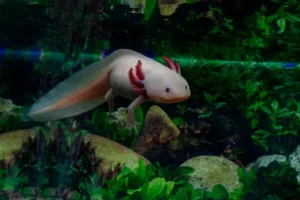
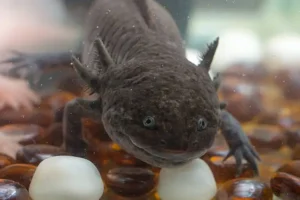
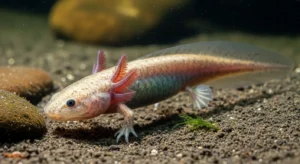
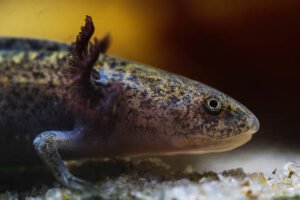
Axolotls (Ambystoma mexicanum) are aquatic salamanders native to the lake systems of Mexico City. Unlike most salamanders that undergo metamorphosis from aquatic larvae to terrestrial adults, axolotls remain in their larval form throughout life. This is called neoteny.
They keep their external gills, continue living fully underwater, and never develop lungs for land breathing. This unique biology creates specific care requirements.
Natural Habitat and Behavior
In the wild, axolotls lived in cool, freshwater lakes with abundant vegetation. These lakes stayed around 60-64°F year-round due to altitude and underground springs. The water was clean, oxygen-rich, and stable.
Sadly, wild axolotls are critically endangered. Pollution, urbanization, and invasive species have destroyed most natural habitat. Nearly all axolotls today are captive-bred, descended from individuals collected decades ago.
Understanding this background explains why:
- They need cold water (replicates natural lake temperature)
- They prefer dim lighting (lake vegetation provided shade)
- They’re bottom-dwellers (hunted for prey on lake bottoms)
- They’re most active at night (avoided predators during day)
Normal Axolotl Behavior
Healthy axolotls display these behaviors:
During daytime: Resting in hiding spots or lying still on the bottom. Gills move gently as they breathe. Occasional repositioning to find cooler spots.
During nighttime: Active exploration, investigating tank corners, climbing on decorations. Alert posture with head raised. Quick movements toward food or interesting objects.
During feeding: Immediate response to food hitting water. Opens mouth and creates suction to inhale prey. May spit out and re-catch food several times.
Normal gill flicking: Gills flick forward every few minutes to remove debris and refresh oxygen flow. This looks like a quick shudder and is completely normal.
Yawning: Axolotls yawn regularly, opening their mouths wide. This realigns their jaw and is not a sign of distress.
Axolotl Lifespan and Growth
With proper care, axolotls live 10-15 years. I’ve personally known axolotls that reached 16 years.
Growth timeline:
- 0-3 months: Rapid growth from 2 inches to 4-5 inches
- 3-6 months: Continued growth to 6-7 inches
- 6-12 months: Reach 8-10 inches and near-adult size
- 12-18 months: Reach full adult size of 9-12 inches (some larger)
Adult females are typically bulkier than males, especially when carrying eggs. Males have more prominent cloacal swellings behind their back legs.
Daily Axolotl Care Requirements
Let me walk you through what actually taking care of an axolotl looks like day-to-day.
Morning Check (5 minutes)
Temperature verification: Check your thermometer first thing. Temperature is the most critical parameter. In summer, I check twice daily morning and evening.
If temperature exceeds 68°F, take immediate action. Add frozen water bottles, turn on fans, or adjust chiller settings.
Visual health inspection: Look at your axolotl from outside the tank. Check for:
- Normal gill appearance (fluffy, not deteriorating)
- Body condition (not bloated or extremely thin)
- Skin condition (no white patches, red spots, or injuries)
- Normal resting position (on bottom, not floating)
This takes 30 seconds once you know what to look for.
Equipment function check: Verify your filter is running at normal flow. Listen for unusual sounds from equipment. Ensure air stones are bubbling normally if you use them.
That’s it for morning routine. Most days, everything checks out fine and I move on with my day.
Evening Observation (5-10 minutes)
Behavioral check: Axolotls become more active as evening approaches. Watch for normal movement and responsiveness.
A healthy axolotl notices you approaching and may move toward the glass. This is a good sign of alertness and health.
Temperature recheck: Especially important during summer months. Evening temperatures often peak in homes without good air conditioning.
Quick water quality assessment: Look at water clarity. Cloudy water signals problems. Sniff near the tank bad odors indicate water quality issues.
Feeding Days (Additional 10-15 minutes)
Feeding happens 2-3 times weekly for adults, so not every day. We’ll cover detailed feeding instructions in the next section.
Total daily time commitment: 10-15 minutes for basic monitoring, plus 10-15 minutes on feeding days. Weekly water changes add 30-45 minutes.
Compare this to dogs needing multiple daily walks or cats needing daily litter cleaning. Axolotl care is actually less time-intensive once established.
What You Don’t Need to Do Daily
Unlike many pets, axolotls don’t need:
- Daily feeding (after reaching adult size)
- Daily water changes
- Constant interaction or entertainment
- Exercise or enrichment activities
- Grooming or physical care
This makes them excellent pets for people with busy schedules who can commit to proper setup and weekly maintenance but don’t have time for daily intensive care.
Feeding Your Axolotl Properly
Nutrition is straightforward once you understand the basics. I’ve tested various foods over the years, and here’s what actually works.
Best Foods for Axolotls
Earthworms (nightcrawlers): The gold standard for axolotl nutrition. High protein, easy to digest, and axolotls love them. I use earthworms as the primary diet for all my adults.
Buy nightcrawlers from fishing bait shops or online suppliers. Avoid worms from gardens that might contain pesticides.
Cut large worms into appropriate pieces your axolotl’s food should be no wider than the space between their eyes.
Axolotl pellets: Quality pellets like Hikari Sinking Carnivore Pellets or Rangen provide complete nutrition. They’re convenient and create less mess than live food.
Pellets work well for daily feeders or when earthworms aren’t available. I keep pellets as backup food always.
Frozen bloodworms: Good for variety but shouldn’t be the only food. Bloodworms are lower in nutrition than worms or pellets. I use them occasionally as treats.
Thaw frozen bloodworms in tank water before feeding. Never add frozen food directly to the tank.
Brine shrimp: Suitable for baby axolotls but not nutritious enough for adults. I only use these for juveniles under 3 inches.
Live blackworms: Excellent food that stays alive in cold water. More expensive than earthworms but less messy. These are a luxury option I use occasionally.
Foods to Avoid
Feeder fish: Despite being commonly recommended, feeder fish carry disease risk and aren’t nutritionally ideal. The thiaminase in some fish can cause vitamin deficiencies.
I stopped using feeder fish after losing an axolotl to a parasite infection traced back to feeder goldfish.
Beef heart or mammal meat: Some old guides recommend this. Don’t do it. Axolotls can’t digest mammal fats properly, leading to digestive problems and liver issues.
Insects (except carefully): Crickets and mealworms have hard exoskeletons that can cause impaction. If you use them, use only soft-bodied insects occasionally.
Feeding Schedule by Age
Baby axolotls (1-3 inches): Feed daily with small portions. Use small live foods like baby brine shrimp, daphnia, or small blackworms. They need frequent feeding to support rapid growth.
Juvenile axolotls (3-6 inches): Feed once daily with small earthworm pieces, pellets, or frozen bloodworms. Portions should be about the size of their head.
Young adults (6-9 inches): Reduce to every other day. Portions can increase to match appetite.
Full adults (9+ inches): Feed 2-3 times per week. My adults get earthworms twice weekly and pellets once weekly.
How Much to Feed
Here’s a practical guideline: feed an amount roughly equal to the size of your axolotl’s head per feeding session.
For earthworms, that’s typically:
- Small juveniles: 1/4 to 1/2 worm
- Medium juveniles: 1/2 to 1 worm
- Adults: 1-2 large worms
For pellets:
- Juveniles: 2-3 pellets
- Adults: 4-6 pellets
Watch your axolotl’s body condition. You should see a gentle taper from head to tail. If they’re getting round and chubby, reduce portions. If they’re visibly thin with prominent ribs, increase feeding.
Feeding Technique
Using tongs: Long aquarium tongs keep your hands out of the cold water and give precise control. I hold the food in front of the axolotl’s face until they notice and strike.
Some axolotls learn to take food from tongs immediately. Others need the food dropped right in front of them.
Scatter feeding: Drop pellets or chopped worms directly onto the substrate near your axolotl. They’ll hunt for food naturally. This works well but creates more mess.
Target training: My most responsive axolotls have learned to come to a specific corner for feeding. I consistently feed in the same spot, and they now wait there at feeding time.
Common Feeding Problems
Refusing food: If your axolotl suddenly stops eating, check temperature first. Water above 70°F kills appetite. Also check for illness signs.
Occasional fasting for 3-5 days is normal, especially after large meals. If refusal continues beyond a week with normal temperature, investigate health issues.
Regurgitation: If your axolotl spits out or vomits food, the water might be too warm or the food too large. Ensure water is below 68°F and cut food into smaller pieces.
Competition between axolotls: When housing multiple axolotls, ensure everyone gets food. I use multiple feeding areas or temporarily separate aggressive eaters.
Uneaten food: Remove any uneaten food within 30 minutes to prevent water quality problems. I use a turkey baster to suck out leftover pieces.
Water Quality and Temperature Management
This is where most axolotl care happens. Get water conditions right, and most other problems never occur.
Critical Water Parameters
Temperature: 60-64°F (16-18°C) This is non-negotiable. I maintain 62°F year-round as my target.
Brief spikes to 68°F won’t immediately harm your axolotl, but anything above 70°F is dangerous. Above 75°F can be fatal within hours to days.
Ammonia: 0 ppm Any detectable ammonia indicates serious problems. Ammonia burns gills, damages organs, and kills quickly even at low concentrations.
Nitrite: 0 ppm Also extremely toxic. Nitrite prevents oxygen uptake in blood, essentially suffocating your axolotl from the inside.
Nitrate: Below 20 ppm (up to 40 ppm tolerable) Less toxic than ammonia or nitrite but still stressful at high levels. I target 10-15 ppm through weekly water changes.
pH: 6.5-8.0 (7.4-7.6 ideal) Axolotls tolerate a range of pH levels. Stability matters more than exact numbers. My tanks run 7.4-7.6 naturally.
Water hardness: GH 7-14, KH 3-8 Moderate hardness provides necessary minerals. Very soft or very hard water can cause problems over time.
Maintaining Cool Water Temperature
Temperature control is the biggest ongoing challenge in axolotl care.
Inline chillers (best option): I use Active Aqua inline chillers on my main tanks. They connect to canister filter plumbing and maintain precise temperature automatically.
Chillers are expensive ($250-400) and use significant electricity during summer. My electricity bill increases $30-50 monthly when chillers run constantly.
Cooling fans (budget option): Clip-on fans blowing across water surface cool through evaporation. They reduce temperature by 2-4°F depending on humidity.
I use fans on smaller tanks and as backup cooling. They’re not sufficient alone in hot climates but work for mild temperature control.
Room temperature management: Keep tanks in cool locations. Basements are ideal my basement tanks naturally maintain 60-62°F most of the year.
Avoid placing tanks near windows, heat vents, or electronics that generate warmth.
Emergency cooling methods:
- Frozen water bottles in ziplock bags (rotate every 4-6 hours)
- Frozen gel packs designed for aquariums
- Ice cubes in bags (only for emergencies)
- Increase surface agitation with air stones
- Turn off all tank lighting
During a power outage last summer, I kept my axolotls alive for 36 hours using frozen bottles and battery-powered air pumps. Have backup plans ready.
Water Change Procedure
I perform 20-25% water changes every Saturday without fail. Here’s my exact process:
Step 1: Prepare fresh water Fill buckets with tap water matching tank temperature (60-64°F). Add dechlorinator according to bottle instructions. Let sit for 10 minutes.
I use Seachem Prime as my dechlorinator. It also detoxifies ammonia temporarily, which provides safety margin during changes.
Step 2: Remove old water Use a gravel vacuum or Python water changer to siphon out 20-25% of tank water. Vacuum the substrate as you remove water, sucking up waste and debris.
Focus on high-waste areas around feeding spots and hiding places.
Step 3: Clean tank glass While water level is low, scrape algae from inside glass with an algae scraper. Wipe down outside glass with water and vinegar.
Step 4: Add fresh water Slowly pour treated water into the tank. I pour onto a plate or into a plastic bag to disperse flow and avoid disturbing substrate.
Step 5: Test parameters After the water change, test ammonia, nitrite, nitrate, and pH. Record results in a log book.
Total time: 30-45 minutes per tank including prep and cleanup.
Weekly Water Testing
Even in established tanks, test weekly. Catch problems early before they become emergencies.
I test every Saturday after water changes:
- Ammonia (should be 0 ppm)
- Nitrite (should be 0 ppm)
- Nitrate (should be under 20 ppm)
- pH (should be stable)
Use liquid test kits, not strips. API Master Test Kit is my standard. Test strips are less accurate and can miss dangerous levels.
Monthly Filter Maintenance
Once monthly, clean your filter media:
Step 1: Remove a bucket of old tank water during your water change.
Step 2: Turn off and disconnect your filter.
Step 3: Remove filter media and rinse in the old tank water. Squeeze sponges, rinse ceramic media, shake out debris.
Never use tap water chlorine kills beneficial bacteria that keep your tank safe.
Step 4: Replace mechanical filtration media (floss, filter pads) with new ones. Keep biological media (ceramic rings, bio-balls) unless they’re falling apart.
Step 5: Clean impeller and impeller housing with old toothbrush.
Step 6: Reassemble, prime, and restart filter.
Recognizing Water Quality Problems
Signs of ammonia poisoning:
- Red, inflamed gills
- Rapid gill movement (gasping)
- Lethargy and loss of appetite
- Resting at surface attempting to breathe air
Signs of nitrite poisoning:
- Brown gills (instead of red/pink)
- Gasping behavior
- Weakness and floating
- Refusing food
Signs of poor general water quality:
- Fungus growth on body or gills
- Cloudy eyes
- White patches on skin
- Frequent illness despite good care
If you detect ammonia or nitrite above 0 ppm, do immediate 50% water change. Test daily and continue large water changes until parameters stabilize at 0 ppm.
Health Care and Common Problems
Healthy axolotls are active, alert, have fluffy colorful gills, clear eyes, and smooth skin. Learning to recognize problems early is crucial.
Normal vs. Abnormal Gill Appearance
Healthy gills:
- Full and fluffy with branching filaments
- Bright red or pink color (indicating good blood flow)
- All gill stalks present and symmetrical
- Gentle forward flicking motion every few minutes
Problem gills:
- Receding or deteriorating filaments
- Pale, white, or gray color (poor blood flow or anemia)
- Missing gill stalks or asymmetry
- Brown gills (nitrite poisoning)
- Excessive slime coating
Gill deterioration usually indicates poor water quality or high stress. Improve conditions immediately and gills typically regenerate within weeks.
Common Health Problems
Fungal infections:
The most common axolotl health issue I’ve dealt with. Fungus appears as white cottony growth on skin, gills, or wounds.
Causes: Poor water quality, injuries, stress, or high temperatures.
Treatment:
- Daily 100% water changes in hospital container
- Salt baths (2.5 tablespoons per gallon for 10-15 minutes daily)
- Tea baths (black tea tannins have antifungal properties)
- Methylene blue treatment for severe cases
I’ve successfully treated dozens of fungal infections with salt baths and pristine water. Most clear within 5-7 days.
Bacterial infections:
Visible as red patches, open sores, or swollen areas on body. More serious than fungal infections.
Treatment:
- Pristine water quality (daily water changes)
- Antibiotics if severe (consult exotic vet)
- Quarantine from other axolotls
Bacterial infections usually result from injuries in dirty water. Prevention through good water quality beats treatment.
Impaction:
Occurs when axolotls swallow substrate or objects that block digestive tract. Symptoms include bloating, refusing food, constipation, and floating.
Treatment:
- Refrigerate (not freeze) your axolotl in cold treated water for a few hours to slow metabolism
- Wait for natural passing
- Last resort: very gentle massaging of belly
Prevention is key. Use appropriate substrate fine sand or bare bottom only for younger axolotls.
Injuries and wounds:
Axolotls regenerate remarkably well. I’ve seen them regrow lost limbs, tail portions, and even parts of their brain.
For injuries:
- Maintain perfect water quality
- Consider tea baths to prevent infection
- Don’t handle the injured area
- Most injuries heal within 3-6 weeks
Stress and floating:
Floating at surface, especially if unable to sink, indicates problems. Causes include stress, poor water quality, overfeeding, or internal issues.
Solutions:
- Check and correct water parameters
- Lower water level so axolotl can rest on bottom
- Refrigerate to reduce metabolism
- Wait 24-48 hours many cases resolve naturally
When to Seek Veterinary Care
Find an exotic vet familiar with amphibians before you need one. Axolotls aren’t typical pets, and not all vets have experience with them.
Seek professional help for:
- Not eating for more than 2 weeks (with proper temperature)
- Severe injuries or bleeding
- Suspected internal parasites
- Bacterial infections not responding to home treatment
- Severe bloating or floating persisting beyond 48 hours
- Rapid deterioration despite correct water conditions
I’ve taken axolotls to vets three times in 10 years. All cases involved bacterial infections needing antibiotics. Having a vet contact ready saved valuable time.
Building a First Aid Kit
Keep these supplies on hand:
- Hospital container (10-gallon minimum)
- Sponge filter for hospital container
- Aquarium salt (non-iodized)
- Black tea bags (unflavored)
- Methylene blue
- Indian almond leaves
- Extra dechlorinator
- Turkey baster for spot cleaning
- Small nets (though I avoid netting when possible)
- Thermometer for hospital container
These items let you respond immediately to health problems without emergency store runs.
Handling and Interaction Guidelines
Axolotls aren’t cuddly pets. They’re observation animals, not handling animals. Understanding this prevents stress and injury.
Why Handling Should Be Minimal
Axolotl skin is delicate. They have a protective slime coating that our warm hands can remove. Their skin is also permeable toxins and oils from our skin can absorb into their body.
Your hands are too warm. Human body temperature is 98.6°F. We’re literally hot objects to a cold-water animal. Extended contact causes heat stress.
Handling stresses them. Being lifted from water triggers stress responses. They may thrash, potentially injuring themselves.
When Handling Is Necessary
Tank maintenance: Moving your axolotl during deep cleaning or tank upgrades.
Health inspections: Examining injuries or health problems closely.
Transportation: Moving to new homes or vet visits.
Proper Handling Technique
Best method: Net-free container transfer
I use soft mesh nets as scoops, not catching nets. Guide your axolotl into a plastic container underwater, then lift the container out.
This method:
- Eliminates thrashing in nets
- Prevents gill damage
- Reduces stress significantly
- Allows easy transfer to hospital containers
If you must use hands:
- Wet your hands in cold tank water first
- Cup your hands together to form a scoop
- Gently slide hands under the axolotl from below
- Lift quickly but smoothly
- Support the entire body never grab by tail or limbs
- Keep time out of water under 30 seconds
I avoid hand contact whenever possible. The container method works better in nearly every situation.
Safe Interaction Without Handling
Observation and presence: Simply sitting near the tank and watching is enjoyable. My axolotls recognize me and often approach the glass when I’m nearby.
Target feeding: Using tongs for feeding creates interaction without contact. Some of my axolotls have learned to follow the tongs, creating a simple form of engagement.
Tank rearrangement: Occasionally moving decorations provides environmental enrichment. Axolotls explore and investigate changes curiously.
Enrichment ideas:
- Rearrange hiding spots monthly
- Add new plants or decorations
- Create feeding games (hiding food in different spots)
- Vary food types for interest
These activities respect the axolotl’s nature while still providing keeper engagement.
Long-Term Care Commitment
Axolotls live 10-15 years with proper care. Before getting one, understand the long-term commitment involved.
Financial Costs Over Lifespan
Initial setup: $500-1,000 for proper equipment (tank, filter, chiller, etc.)
Monthly costs: $35-65 for electricity, food, and supplies
Annual costs: Additional $100-200 for equipment replacement, emergency supplies, and unexpected needs
Over 10 years: Approximately $5,000-8,000 total investment
This doesn’t include potential vet costs if serious health problems occur.
Time Commitment
Daily: 10-15 minutes for monitoring and observation
Weekly: 30-45 minutes for water changes
Monthly: Additional 30 minutes for filter cleaning and deep maintenance
Total: Roughly 2-3 hours per month for basic care
This is manageable for most people but requires consistency. You can’t skip water changes or ignore temperature problems.
Planning for Absences
Short trips (2-4 days): Adults can go without feeding. Ensure temperature is stable and someone can check equipment daily.
Week-long trips: Need someone to feed 2-3 times and verify temperature daily. Pet sitters unfamiliar with aquariums may struggle with this.
Extended absences: Require experienced fish/amphibian sitter or boarding with someone knowledgeable.
I’ve successfully used pet cameras to monitor tanks during short trips. Combined with automatic feeders for fish (though these don’t work well for axolotls), technology helps bridge short gaps.
Life Changes
Consider how axolotl care fits into potential life changes:
Moving: Large tanks are difficult to move. You’ll need appropriate transportation for both tank and axolotl.
College/university: Dorm rooms typically don’t allow aquariums. Plan accordingly.
Apartment living: Some landlords restrict aquariums by size. Get permission in writing.
Roommates/partners: Everyone living with you must respect the care requirements, especially regarding temperature control and water changes.
My axolotls have moved with me three times. Each move required careful planning, but all animals made the transition successfully with proper preparation.
Complete Axolotl Care Schedule
Here’s everything organized by timeframe for easy reference:
Daily Tasks (10-15 minutes)
Morning:
- Check temperature (critical in summer)
- Visual health inspection (30 seconds)
- Verify equipment function
Evening:
- Temperature recheck (hot weather)
- Behavioral observation (5 minutes)
- Quick water clarity check
Every 2-3 Days (Add 15 minutes)
Feeding for adults:
- Prepare food (thaw frozen, cut worms)
- Feed using tongs or scatter method
- Remove any uneaten food after 30 minutes
- Observe eating behavior for problems
(Baby and juvenile axolotls need daily feeding)
Weekly Tasks (Add 30-45 minutes)
Water change:
- Prepare 20-25% fresh treated water
- Vacuum substrate while removing old water
- Clean inside glass
- Add fresh water slowly
- Test water parameters
- Record results in log
Every 2 Weeks (Add 15 minutes)
Equipment inspection:
- Check filter flow rate
- Inspect hoses for cracks or wear
- Verify chiller function
- Test backup equipment
Monthly Tasks (Add 45-60 minutes)
Filter maintenance:
- Clean filter media in old tank water
- Replace mechanical filtration
- Clean impeller
- Check intake screens
Deep cleaning:
- Scrub decorations if needed
- Trim live plants
- Remove any accumulated debris
- Inspect for worn equipment
Food inventory:
- Restock earthworms or pellets
- Check frozen food quality
- Dispose of old supplies
Quarterly Tasks (Add 60-90 minutes)
Major water testing:
- Full parameter panel (including GH, KH)
- Compare to baseline readings
- Test tap water separately
Equipment deep clean:
- Thoroughly clean all equipment
- Descale chiller if needed
- Replace air stones
- Check backup supplies
Health records review:
- Review log book for trends
- Note any recurring issues
- Adjust care routine if needed
Annual Tasks
Equipment replacement:
- Replace filter media that’s deteriorating
- Replace thermometer batteries
- Update backup equipment
- Refresh hospital tank supplies
Vet check (optional but recommended):
- Wellness visit with exotic vet
- Discuss any concerns
- Update emergency contact info
This schedule keeps care organized and prevents neglect of less frequent but important tasks.
Frequently Asked Questions About Axolotl Care
Are axolotls good pets for beginners?
Axolotls are moderately difficult pets, not ideal for absolute beginners with no aquarium experience. They require more specific care than goldfish or bettas but are easier than reef tanks or many reptiles.
Best beginner path: Start by researching thoroughly (which you’re doing now). Invest in quality equipment from the beginning, especially temperature control. Join online communities where experienced keepers can answer questions.
After 10 years keeping axolotls, I believe a motivated beginner can succeed with proper preparation. The key is understanding requirements before bringing an axolotl home, not learning as you go.
How much does it cost to care for an axolotl?
Initial setup runs $500-1,000 for a proper 40-gallon tank with all equipment. Monthly costs are $35-65 including electricity (chiller is expensive to run), food, and supplies.
Over a 10-15 year lifespan, expect to spend $5,000-8,000 total. This includes equipment replacement, vet visits, and unexpected expenses.
Budget setups using fans instead of chillers and basic decorations can start around $400, but you sacrifice reliability. I’ve found spending more upfront prevents expensive problems later.
What do axolotls eat and how often?
Adult axolotls eat 2-3 times weekly. The best foods are earthworms (nightcrawlers), quality sinking pellets, and frozen bloodworms.
Baby axolotls (under 3 inches) need daily feeding with small portions. Juveniles (3-6 inches) eat daily or every other day. Full adults (9+ inches) eat twice weekly typically.
Feed an amount roughly equal to your axolotl’s head size per feeding. For adults, that’s typically 1-2 large earthworms or 4-6 pellets.
I use earthworms as the primary diet for all my adults. They’re nutritious, easy to digest, and axolotls love them.
Do axolotls recognize their owners?
Yes, axolotls can recognize their primary caregiver. My axolotls definitely know me versus strangers. They approach the glass when I’m nearby and are more active during my presence.
They associate you with food and learn daily routines. Some of my axolotls have learned to come to specific feeding corners when they see me.
However, this isn’t the same as dog-level recognition or bonding. They’re recognizing patterns and associating you with positive experiences (food), not forming emotional attachments.
Can axolotls live with other pets in the same tank?
Generally no. Axolotls eat anything that fits in their mouths, making small fish expensive snacks. Large fish nip at axolotl gills causing injuries.
Temperature incompatibility rules out most fish anyway. Tropical fish need 75-80°F while axolotls need 60-64°F.
Safe tank mates are extremely limited:
- Small snails (ramshorn, pond snails) for cleanup crew
- Certain cold-water shrimp, though axolotls may eat them
Multiple axolotls can live together with adequate space (add 10 gallons per additional axolotl) and proper introduction. I successfully keep 2-3 axolotls per tank.
After trying various combinations over the years, I recommend keeping axolotls in single-species tanks. They’re interesting enough alone.
How do I know if my axolotl is sick?
Watch for these warning signs:
Behavioral changes:
- Refusing food for more than a week (with proper temperature)
- Floating at surface constantly
- Extreme lethargy or unresponsiveness
- Unusual swimming patterns
Physical symptoms:
- Deteriorating gills (losing filaments, pale color)
- White cottony growth (fungus)
- Red patches or open sores (bacterial infection)
- Cloudy eyes
- Severe bloating
- Missing limbs without regeneration starting
Early detection is critical. I check my axolotls daily for subtle changes. Small problems caught early are much easier to treat than advanced illnesses.
What temperature is too hot for axolotls?
Water above 72°F causes stress. Water above 75°F is dangerous and can be fatal within hours to days.
The safe range is 60-64°F (16-18°C). I target 62°F year-round.
Brief spikes to 68-70°F during heat waves won’t immediately kill your axolotl, but take emergency cooling action when temperature exceeds 68°F.
I’ve dealt with temperature emergencies several times during power outages and heat waves. Quick response with frozen water bottles and increased surface agitation saved my animals.
Can axolotls regenerate body parts?
Yes, remarkably well. Axolotls can regenerate:
- Limbs (legs, arms, toes)
- Tail portions
- Gills
- Parts of organs including brain and heart
- Skin and tissue
I’ve watched axolotls regrow completely missing legs over 6-8 weeks. The regeneration is perfect no scarring or deformity.
This ability doesn’t mean injuries aren’t serious. Maintain pristine water quality during healing to prevent infection. Don’t handle the regenerating area.
How long can axolotls go without food?
Healthy adult axolotls can safely fast for 2-3 weeks. In the wild, food availability fluctuates, and they’ve adapted to irregular feeding.
I wouldn’t deliberately starve them for this long, but it means short trips where feeding isn’t possible won’t harm them.
Baby and juvenile axolotls need more frequent feeding and shouldn’t fast longer than 3-4 days.
If your axolotl refuses food, check temperature first. Warm water (above 68°F) kills appetite immediately. Also check for illness signs.
Do axolotls need light?
Axolotls don’t need light and actually prefer dim conditions. They have no eyelids and are sensitive to bright lighting.
Provide low-intensity LED lighting on a timer for 6-8 hours daily. This benefits live plants if you have them and lets you observe your pet.
Natural room lighting is often sufficient. My basement tanks get minimal artificial light, and those axolotls seem most relaxed.
Avoid bright overhead lights, direct sunlight, and 24/7 lighting. All of these stress axolotls.
Can you play with axolotls?
Not in the traditional sense. Axolotls aren’t interactive pets like dogs or cats. They’re observation animals that don’t enjoy handling or physical play.
You can interact through:
- Target feeding with tongs (they may learn to follow)
- Rearranging tank decorations for exploration
- Simply watching their behavior (surprisingly entertaining)
Think of axolotl keeping more like maintaining a living art piece that you observe and care for, rather than a pet you physically interact with.
After 10 years, I still find watching my axolotls fascinating. Their personalities, feeding responses, and curious behavior provide plenty of engagement without physical contact.
What happens if I can’t maintain cold water?
If you absolutely cannot maintain 60-64°F water, don’t get an axolotl. Temperature requirements are non-negotiable for their health.
Prolonged warm water causes:
- Chronic stress and immune suppression
- Frequent fungal and bacterial infections
- Organ damage
- Significantly shortened lifespan
- Poor quality of life
In hot climates without cooling equipment, consider cold-water fish species instead. Goldfish, white cloud mountain minnows, or hillstream loaches tolerate room temperature better.
I’ve counseled people against getting axolotls when they couldn’t provide cooling. It’s better to choose an appropriate pet than force an axolotl into unsuitable conditions.
Final Thoughts on Taking Care of Axolotls
Caring for axolotls successfully comes down to understanding and meeting their specific needs consistently. These aren’t typical pets, and they won’t thrive with generic aquarium care.
The three pillars of axolotl care are:
Temperature control: This is the biggest challenge. Budget for cooling equipment and commit to daily monitoring, especially during summer months.
Water quality: Weekly water changes, proper filtration, and regular testing keep your axolotl healthy. This is non-negotiable.
Appropriate feeding: Understanding what, how much, and how often to feed prevents most nutrition-related problems.
Get these three elements right, and most other aspects of axolotl care fall into place naturally.
After keeping axolotls for over a decade, I’ve learned that consistency matters more than perfection. You don’t need to be an expert from day one. You need to commit to learning, maintaining proper conditions, and responding to problems quickly.
My first axolotl survived despite my mistakes because I was willing to learn and improve. Today, caring for six axolotls feels routine rather than challenging. The daily time investment is minimal, and the reward is watching these unique creatures thrive.
Before getting an axolotl, honestly assess:
- Can you maintain 60-64°F water year-round?
- Can you commit to weekly water changes for 10-15 years?
- Do you have $500-1,000 for proper initial setup?
- Are you prepared for monthly costs of $35-65?
- Can you monitor and respond to problems quickly?
If you answered yes to all these questions, axolotls make fascinating, rewarding pets. Their unique appearance, interesting behaviors, and manageable care requirements (once established) appeal to many keepers.
If any answer was “maybe” or “no,” consider whether axolotls are the right pet for your current situation. There’s no shame in choosing a more suitable pet or waiting until circumstances change.
Ready to start your axolotl journey? Begin by:
- Setting up your tank completely and cycling it (6-8 weeks)
- Using this time to research more and join axolotl communities
- Finding a source for healthy, captive-bred axolotls
- Locating an exotic vet before you need one
- Purchasing your axolotl only when the tank is fully cycled
Taking care of axolotls successfully isn’t about being perfect. It’s about preparation, consistency, and commitment to their unique requirements. Do these things, and you’ll enjoy many years with these remarkable amphibians.
The effort is worth it. Every time someone visits and sees my axolotls, their reaction is pure amazement. These living dinosaurs with their permanent smiles and otherworldly appearance never stop being fascinating.
Welcome to the wonderful world of axolotl care. You’ve got this.
Administrator
Abdul Wasay is the founder and lead author of Axolotl Portal, a trusted site for axolotl care. He spent almost nine months learning about axolotls, including their tanks, feeding, water care, and common health problems. His knowledge comes from trusted vets, research, and real experience from long term axolotl owners. All Posts by