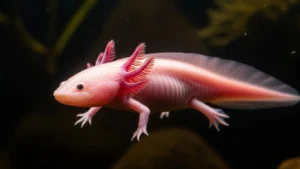
How to Breed Axolotls Successfully: A Proven Method

Breeding axolotls requires more than just putting a male and female together. After five years and dozens of successful spawns, I’ve learned that preparation and timing determine whether you get healthy offspring or frustrated failures.

Selecting the Right Breeding Pair
Start with mature, healthy adults at least 18 months old. Both axolotls should measure 9+ inches and show no signs of illness, injury, or genetic defects. Never breed siblings this increases birth defects and weakens offspring.
Choose axolotls with different genetic backgrounds when possible. Mixed genetics produce stronger, more resilient babies. I keep detailed records of parentage to avoid accidental inbreeding across generations.
Look for vibrant gill color, smooth skin, and active behavior. Lethargic or pale axolotls make poor breeding stock. Females should appear plump and well-fed, while males display a swollen, rounded cloaca.
Creating Optimal Breeding Conditions
Water quality makes or breaks breeding success. Maintain these parameters strictly:
- Temperature: 50-55°F (cooling triggers spawning)
- pH: 7.0-7.6 (stable, not fluctuating)
- Ammonia and nitrite: 0 ppm always
- Nitrate: Below 10 ppm
Use a 20-30 gallon tank for the breeding pair. Include live plants, smooth rocks, and silk plants as spawning surfaces. Females need multiple locations to deposit eggs comfortably.
Keep lighting dim bright lights stress breeding adults. I use natural room light during daytime and complete darkness at night. Strong tank lights suppress breeding behavior.
The Temperature Cycling Method
This technique jumpstarts breeding instincts reliably. Keep your pair at normal 64°F for several weeks with good feeding. Then gradually lower temperature 2 degrees daily until reaching 50-55°F.
Maintain cool temperatures for 3-4 weeks. Feed high-protein foods like earthworms and bloodworms 5-6 times weekly during this period. The combination of cooling and excellent nutrition mimics seasonal changes that trigger spawning.
After the cooling period, slowly raise temperature back to 60-64°F over one week. Breeding typically happens within 2-3 days of warming. Males become very active, performing courtship dances and depositing spermatophores.
Understanding Courtship and Spawning
Males initiate breeding by swimming rapidly around the female, nudging her gently. He’ll perform a distinctive tail-wagging dance, then deposit white cone-shaped spermatophores on the tank bottom.
The female follows closely, positioning her cloaca over spermatophores to pick them up. This process repeats several times over 1-2 hours. Successful fertilization occurs internally after she collects the sperm packets.
Within 12-48 hours, the female begins laying eggs. She’ll attach 100-600 individual eggs to plants and decorations using a sticky coating. Each egg measures about 2mm diameter and looks translucent with a dark center.
My most productive pair laid 427 eggs during their second spawn. The female took nearly 36 hours to deposit them all across every available surface in the breeding tank.
Immediate Post-Spawn Actions
Remove adults immediately after egg laying completes. Parents show zero parental care and will gladly eat their own eggs given the chance.
Inspect eggs carefully within 24 hours. Fertile eggs appear tan or light brown with visible dark embryos. Infertile eggs turn white and fuzzy remove these immediately before fungus spreads.
Transfer fertile eggs to a separate hatching container. I use a 10-gallon tank with gentle sponge filtration and the same water parameters as the breeding tank. Avoid strong currents that damage delicate eggs.
Treat water with methylene blue at 1 drop per gallon to prevent fungal growth. This blue dye protects eggs without harming developing embryos. Change 20% water daily using temperature-matched, treated water.
Egg Development and Hatching
Eggs hatch in 14-21 days depending on water temperature. Warmer water (68-72°F) speeds development, while cooler water (60-64°F) takes longer. I maintain 64-66°F for steady, healthy growth.
Watch eggs daily for development signs. You’ll see tiny movement inside eggs around day 10-12. Eyes become visible as dark spots. Shortly before hatching, larvae become very active inside their jelly coating.
Newly hatched larvae measure 10-11mm long and look like tiny fish with external gills. They survive on yolk sacs for 2-3 days before needing food.
Feeding and Raising Larvae
Start feeding when larvae become free-swimming and their yolk sacs disappear. Offer live baby brine shrimp 2-3 times daily. Larvae won’t eat frozen food initially they need live prey movement for feeding response.
After two weeks, introduce frozen bloodworms and daphnia. Cut bloodworms into tiny pieces. By one month old, most larvae accept small pellets soaked in tank water.
Keep larvae in shallow water (6-8 inches) for the first month. Deeper water makes feeding difficult since they haven’t developed strong swimming abilities yet. Gradually increase depth as they grow.
Perform 20% water changes daily. Larvae produce significant waste, and ammonia buildup kills them rapidly. Test water parameters daily during the first 6 weeks.
Common Breeding Problems and Solutions
No Spawning After Cooling: Extend the cooling period another 2-3 weeks. Some pairs need longer temperature cycles. Verify you have one male and one female same-sex pairs won’t breed.
Low Egg Counts: Young females (18-20 months) typically produce fewer eggs than mature 3-4 year olds. Nutritional deficiencies also reduce egg production. Increase feeding frequency and protein quality.
High Egg Mortality: Usually indicates poor water quality or genetic issues. Test all parameters. Avoid breeding closely related axolotls in future spawns.
Larvae Dying After Hatching: Most commonly from overfeeding or inadequate water changes. Feed smaller amounts more frequently rather than large portions once daily.
Recovery Time Between Spawns
Give females at least 3 months rest between spawning. Egg production depletes calcium and protein reserves significantly. I feed calcium-rich earthworms and dust food with reptile calcium supplement during recovery periods.
Males recover faster and can breed every 4-6 weeks safely. However, I still provide 2-3 month breaks to maintain long-term fertility and vigor.
Frequently Asked Questions
How long does axolotl breeding take from start to finish?
The complete process spans 4-6 weeks: preparation and conditioning (2-3 weeks), cooling period (3-4 weeks), spawning (1-2 days), and egg incubation (2-3 weeks). Then larvae require 6+ months to reach juvenile size.
Can I breed axolotls without temperature cycling?
Some pairs spawn without cooling, but success rates drop dramatically. Temperature cycling mimics natural seasons and triggers breeding hormones reliably. Skip this step at your own risk.
What do I do with hundreds of baby axolotls?
Plan ahead before breeding. Most spawns produce 200-400 viable larvae. You’ll need multiple large tanks, tons of live food, and buyers or adopters lined up. Many breeders cull excess larvae humanely.
Why did my axolotls mate but produce no eggs?
The female may not have successfully picked up spermatophores during courtship. Inexperienced females sometimes miss them. Injuries or health problems can also prevent egg development after successful fertilization.
How do I tell if axolotl eggs are fertile?
Fertile eggs develop tan or brown coloring within 24-48 hours and show visible dark embryos. Infertile eggs remain white, turn cloudy, and develop fungus. Remove infertile eggs immediately.
Can different color morphs breed together?
Yes, all axolotl color varieties can interbreed successfully. Offspring colors depend on parent genetics. Crossing a leucistic with a wild-type often produces mixed colors in the same clutch.
Administrator
Abdul Wasay is the founder and lead author of Axolotl Portal, a trusted site for axolotl care. He spent almost nine months learning about axolotls, including their tanks, feeding, water care, and common health problems. His knowledge comes from trusted vets, research, and real experience from long term axolotl owners. All Posts by
Related Guides
What Age Do Axolotls Start Breeding? Complete Maturity Guide
Abdul Wasay Khatri
How Many Eggs Do Axolotls Lay? Everything About Clutch Size
Abdul Wasay Khatri
What Age Do Axolotls Breed? The Real Answer Nobody Talks About
Abdul Wasay Khatri
Breeding Axolotls: Complete Guide from Pairing to Raising Babies
Abdul Wasay Khatri