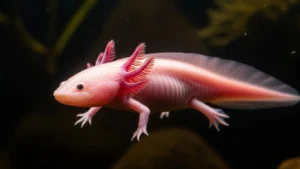
How Often Do You Feed an Axolotl?

Adult axolotls need food 2-3 times per week, while juveniles under six months require daily feeding. Babies (under 3 inches) eat twice daily to support their rapid growth. The feeding schedule changes as they age young ones burn energy faster and need more frequent meals. Once they reach full size around 9-12 inches, their metabolism slows down significantly. Overfeeding causes more problems than underfeeding, so it’s better to feed less often than too much. Most owners settle into an every-other-day routine for adults and adjust based on their axolotl’s body condition.

Age Based Feeding Guidelines
Babies under two months need small portions twice daily. Newly hatched brine shrimp or finely chopped blackworms work best at this stage. They’re growing at their fastest rate and need constant nutrition. Miss a day and you’ll notice they look thinner.
Juveniles from 2-6 months drop to once daily. Their diet shifts to larger bloodworms, small earthworms, or axolotl pellets. Growth remains steady but not as explosive as the baby stage. You’ll see them add about an inch per month during this period.
Sub-adults from 6-12 months eat every other day. Nightcrawlers become their main food since they’re now big enough to swallow whole worms. Some owners still feed daily with smaller portions, which works fine as long as you watch their weight.
Adults over 12 months only need 2-3 feedings weekly. Two large nightcrawlers or a handful of pellets per feeding keeps them healthy. Their growth has basically stopped, so they’re just maintaining their body weight now.
Signs You’re Feeding Wrong
A healthy axolotl has a rounded body that’s slightly wider than its head. The belly should look full but not bloated. Look at them from above if the body curves inward behind the head, they’re too thin. If the belly drags on the ground or they look like a sausage, they’re too fat.
Leftover food in the tank means you’re overfeeding. Axolotls eat what they need and ignore the rest. Uneaten worms die and pollute the water, causing ammonia spikes. Remove any food that sits untouched for 15-20 minutes.
Bloating after meals happens when you feed too much at once. Their stomach distends noticeably and they might float awkwardly. Break large meals into smaller portions spread across the day instead of one huge feeding.
Weight loss despite regular feeding points to illness or water quality issues. Check your temperature and test for ammonia. Parasites or bacterial infections also cause weight loss even when they’re eating normally.
Quick Questions
What’s the best food for axolotls?
Earthworms (nightcrawlers) provide complete nutrition and most axolotls love them. Bloodworms, salmon pellets, and blackworms work as alternatives or supplements.
Can I feed my axolotl every day?
You can feed adults daily if you give smaller portions, but most do better on an every-other-day schedule. Daily feeding often leads to obesity.
How much should I feed per meal?
Adults need 1-2 large nightcrawlers or about 2-3% of their body weight. Juveniles eat smaller amounts but more frequently.
Do axolotls need a fasting day?
Many owners include one fasting day per week for adults. This helps prevent obesity and gives their digestive system a break.
Will axolotls stop eating when full?
Usually yes, but some keep eating even when full, especially with favorite foods. Watch their body condition and adjust portions accordingly.
Administrator
Abdul Wasay is the founder and lead author of Axolotl Portal, a trusted site for axolotl care. He spent almost nine months learning about axolotls, including their tanks, feeding, water care, and common health problems. His knowledge comes from trusted vets, research, and real experience from long term axolotl owners. All Posts by
Related Guides
How Many Axolotls Are Left? The Shocking Numbers
Abdul Wasay Khatri
How Long Do Axolotls Sleep? Everything You Need to Know About Axolotl Rest
Abdul Wasay Khatri
Can Axolotls Live with Bettas?
Abdul Wasay Khatri
What Should I Do If My Axolotl Jumps Out of the Tank?
Abdul Wasay Khatri
Can Axolotls Live with Guppies?
Abdul Wasay Khatri
Are Axolotls Good Pets?
Abdul Wasay Khatri
Do Axolotls Need a Filter?
Abdul Wasay Khatri
99 Amazing Axolotl Facts For Kids: Meet the Coolest Water Pet Ever!
Abdul Wasay Khatri
Can Axolotls Eat Each Other?
Abdul Wasay Khatri
How Many Axolotl Colors Are There? Every Color Explained (2026)
Abdul Wasay Khatri