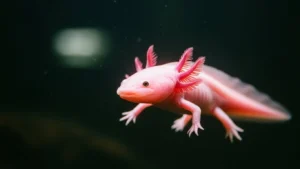
Do Axolotls Need a Lid on Their Tank?

Yes, axolotls need a lid on their tank to prevent jumping and escaping. While they don’t jump often, stressed or startled axolotls can launch themselves out of the water, especially at night. Falls onto hard floors cause serious injuries or death. A lid also keeps other pets, small children, and debris out of the tank. However, the lid must allow proper air exchange solid glass tops trap heat and humidity, raising water temperature above safe levels. Use a mesh lid, screen top, or glass with ventilation gaps to protect your axolotl while maintaining airflow.
Why Axolotls Jump
Poor water quality triggers most jumping incidents. High ammonia, nitrites, or the wrong temperature makes them desperate to escape bad conditions. They sense something’s wrong and try to find better water, not understanding they’re in a closed tank. If your axolotl attempts jumping, test your water immediately and fix any problems.
Stress from tank mates causes escape attempts too. Another aggressive axolotl, fish that nip their gills, or even overly curious snails can make them panic. During these stress episodes, they swim frantically and sometimes breach the surface with enough force to clear the tank rim.
Nighttime activity increases jump risk. Axolotls become more active after lights go out, exploring and hunting. Without a lid, those late-night adventures can end with them on your floor. Most escape stories happen overnight when owners aren’t watching.
Hunger drives some jumps when they mistake ceiling reflections or insects flying above the tank for food. Their poor eyesight and strong feeding response make them lunge at movement, occasionally launching themselves over the edge.
Choosing the Right Lid
Mesh lids specifically designed for aquariums work best. They provide maximum airflow while preventing escapes. The mesh openings are small enough to stop an axolotl from squeezing through but large enough for proper ventilation. These cost $15-30 depending on tank size.
Glass canopy lids need modifications. Standard glass tops trap too much heat and humidity. Cut ventilation slots or leave a 2-3 inch gap at the back. Some glass lids come with built-in feeding hatches that provide adequate airflow when left partially open.
DIY mesh covers save money if you’re handy. Buy plastic cross-stitch mesh or hardware cloth from craft stores and cut it to fit your tank rim. Secure it with clips or weights around the edges. Make sure the mesh is fine enough openings larger than half an inch let small axolotls escape.
Never use solid plastic wrap or completely sealed covers. These create condensation, trap heat, and reduce oxygen exchange. Your water temperature will climb several degrees under a sealed lid, especially with lights or during summer.
Quick Questions
How high can axolotls jump?
They can clear 4-6 inches when motivated, easily escaping standard tanks with rims only 2-3 inches above the waterline. Always assume they can reach the rim.
What if I find my axolotl on the floor?
Put it back in clean, cool water immediately. Check for injuries, especially dried gills. Monitor closely for 48 hours skin damage and infections can develop from the fall and exposure to air.
Can I leave the lid off during the day?
Technically yes, but why risk it? It takes one moment of stress or startling for them to jump. Keeping the lid on full-time is safer and becomes automatic.
Do lids affect tank lighting?
Mesh lids barely reduce light. Glass canopies block some light but axolotls don’t need bright lighting anyway they prefer dim conditions. Choose your lid type based on ventilation, not light transmission.
Will my cat bother the axolotl through a mesh lid?
Cats can’t reach through quality mesh, but their presence stresses axolotls. Consider a solid section in the center with mesh around the edges if you have curious cats.
Administrator
Abdul Wasay is the founder and lead author of Axolotl Portal, a trusted site for axolotl care. He spent almost nine months learning about axolotls, including their tanks, feeding, water care, and common health problems. His knowledge comes from trusted vets, research, and real experience from long term axolotl owners. All Posts by
Related Guides
Can You Touch an Axolotl?
Abdul Wasay Khatri
How Long Do Axolotls Sleep? Everything You Need to Know About Axolotl Rest
Abdul Wasay Khatri
Are Blue Axolotls Real? The Truth About Blue Axolotl Colors
Abdul Wasay Khatri
How Much Does a Baby Axolotl Cost?
Abdul Wasay Khatri
Can Axolotls Live with Guppies?
Abdul Wasay Khatri
What Will Make My Axolotl Happy? A Complete Guide to Axolotl Care
Abdul Wasay Khatri
Can Axolotls Survive Outside Water? The Critical Facts You Need to Know
Abdul Wasay Khatri
How Many Axolotl Colors Are There? Every Color Explained (2026)
Abdul Wasay Khatri
Are Axolotls Good Pets?
Abdul Wasay Khatri
How to Care for Axolotl Eggs: A Complete Hatching Guide
Abdul Wasay Khatri