
Can Axolotls Become Salamanders? The Truth About Metamorphosis

After five years of keeping and studying axolotls, this question still pops up constantly. People see these adorable water creatures and wonder if they’ll eventually transform into land-dwelling salamanders. Let me clear up the confusion once and for all.
The Short Answer
No, axolotls don’t naturally become salamanders in the traditional sense. They ARE salamanders just a special type that stays in their juvenile aquatic form their entire lives. This rare trait is called neoteny, and it makes axolotls unique in the animal kingdom.

Understanding Neoteny in Axolotls
Most salamanders go through metamorphosis. They start as aquatic larvae with external gills, then transform into terrestrial adults with lungs. Think of how tadpoles become frogs it’s similar.
Axolotls skip this transformation. They keep their baby features forever: feathery external gills, aquatic lifestyle, fin-like tail, and that signature smile. They reach sexual maturity and can reproduce while still looking like larvae.
This isn’t laziness or a developmental problem. Neoteny is their evolutionary advantage. The lakes where they originated had perfect conditions for aquatic life, so there was no pressure to move onto land.
What Triggers Metamorphosis
Here’s where things get interesting. Axolotls CAN undergo metamorphosis under specific circumstances, though it’s extremely rare and quite dangerous.
Natural triggers include:
- Drastic changes in water levels
- Environmental stress
- Extreme temperature shifts
- Food scarcity forcing adaptation
Artificial triggers:
- Iodine injections (done in laboratory settings)
- Thyroid hormone treatment
- Specific chemical exposure
I’ve never seen spontaneous metamorphosis in my five years of keeping these animals. It’s that uncommon.
What Happens During Transformation
When metamorphosis occurs, the changes are dramatic and happen over several weeks:
The external gills shrink and eventually disappear. The axolotl develops lungs for breathing air. Their skin texture changes, becoming thicker and losing that smooth, wet appearance.
The body shape shifts. They become more robust and muscular. The tail fin reduces significantly. Their coloration often darkens or changes completely.
The eyes become more prominent and move slightly. The head shape alters, looking less rounded and more defined.
Most importantly, they develop the ability to live on land, though they still need moisture.
Why Forced Metamorphosis Is Harmful
Some people deliberately try to make their axolotls transform. This is dangerous and considered unethical by experienced keepers.
Metamorphosed axolotls rarely thrive. Their lifespan drops significantly from 10-15 years down to just 2-5 years. Many don’t survive the transformation process itself.
They become stressed and vulnerable. The biological changes put enormous strain on their organs. Breathing with lungs instead of gills requires major physiological adaptations their bodies aren’t optimized for.
Land-based salamanders need completely different care. Temperature requirements change. Humidity becomes critical. Their diet shifts. Most keepers aren’t prepared for these needs.
I’ve spoken with several veterinarians who specialize in exotic animals. They all strongly discourage intentional metamorphosis. There’s simply no good reason to force it.
Genetic Factors and Wild Populations
Wild axolotls are critically endangered. Habitat destruction in their native Mexican lakes has devastated populations. Some researchers believe environmental changes might trigger more metamorphosis attempts in the wild as survival mechanisms.
Captive-bred axolotls have been selected for neotenic traits for generations. This makes spontaneous transformation even less likely in pet populations.
Different color morphs may have varying tendencies toward metamorphosis, though solid research on this is limited. White albinos and leucistic varieties seem particularly stable in their aquatic form.
The Tiger Salamander Connection
Axolotls are closely related to tiger salamanders. In fact, they’re classified as Ambystoma mexicanum part of the mole salamander family.
Tiger salamanders regularly undergo metamorphosis. This is normal for them. They start aquatic, then move to land as adults.
Some people confuse the two species. The relationship is close, but their life cycles differ significantly. Tiger salamanders are built for transformation. Axolotls aren’t.
Proper Axolotl Care Prevents Stress
The best approach is accepting axolotls for what they are permanent water residents. Give them proper care:
Keep water temperature between 60-68°F. Warmer water causes stress and health problems.
Maintain pristine water quality. Weekly water changes are essential. Test parameters regularly.
Provide adequate space. A 20-gallon tank minimum for one adult, with 10 additional gallons for each extra axolotl.
Feed appropriate portions. Bloodworms, earthworms, and pellets designed for axolotls work well.
Create a calm environment. Avoid bright lights and excessive handling. These creatures are sensitive to stress.
Why This Matters for Owners
Understanding that your axolotl won’t and shouldn’t become a land salamander shapes proper expectations. You’re committing to an aquatic pet for a decade or more.
Some new owners worry when their axolotl doesn’t transform, thinking something is wrong. Nothing is wrong that’s exactly how they should be.
Others get excited about the possibility of transformation, treating it like an achievement. This mindset can lead to harmful interventions.
Accept and appreciate neoteny. It’s what makes axolotls special. Their permanent aquatic juvenile state isn’t a flaw it’s their superpower.
Final Thoughts
Can axolotls become salamanders? Technically yes, but naturally no. They’re already salamanders living their best aquatic lives. Forcing change only causes suffering.
After years of experience, I’ve learned to love these creatures for exactly what they are. Those feathery gills, that gentle personality, the graceful swimming these traits make axolotls wonderful.
Don’t wish for your axolotl to change. Instead, provide the best aquatic environment possible and enjoy many years with your permanently aquatic friend.
Frequently Asked Questions
Q: Will my axolotl naturally turn into a salamander as it gets older?
No. Age doesn’t trigger metamorphosis. Your axolotl will maintain its aquatic larval form throughout its entire 10-15 year lifespan.
Q: Is it safe to add iodine to make my axolotl transform?
Absolutely not. Forced metamorphosis through iodine or hormones is dangerous, significantly shortens lifespan, and is considered unethical. There’s no valid reason to do this.
Q: What’s the difference between axolotls and tiger salamanders?
While closely related, tiger salamanders naturally undergo metamorphosis and move to land as adults. Axolotls remain aquatic. They’re different species with different life cycles.
Q: If my axolotl starts losing its gills, is it transforming?
Gill deterioration usually indicates poor water quality or illness, not metamorphosis. Check your water parameters immediately and consult a vet if problems persist.
Q: Can metamorphosed axolotls go back to water-only life?
No. Once metamorphosis occurs, the changes are permanent. The gills don’t grow back, and they become dependent on lung breathing.
Q: Do some axolotl colors transform more easily than others?
There’s no solid evidence supporting this. All captive-bred axolotls are highly stable in their neotenic form regardless of color morph.
Administrator
Abdul Wasay is the founder and lead author of Axolotl Portal, a trusted site for axolotl care. He spent almost nine months learning about axolotls, including their tanks, feeding, water care, and common health problems. His knowledge comes from trusted vets, research, and real experience from long term axolotl owners. All Posts by
Related Guides
Axolotl Morphing Signs: What to Watch For
Abdul Wasay Khatri
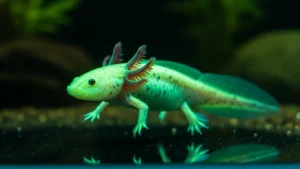
Can Axolotls Regrow Their Brain or Internal Organs?
Abdul Wasay Khatri
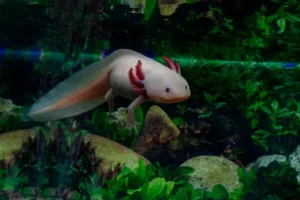
Are Axolotls Born With Legs? Development Stages Explained
Abdul Wasay Khatri
Why Can Axolotls Regenerate But Humans Can’t?
Abdul Wasay Khatri
Are Axolotls Actually Immortal? Separating Myth from Reality
Abdul Wasay Khatri
Can Axolotls Change Color? The Complete Truth About Color Shifts
Abdul Wasay Khatri
Do Axolotls Breathe Air? The Breathing Truth Explained
Abdul Wasay Khatri
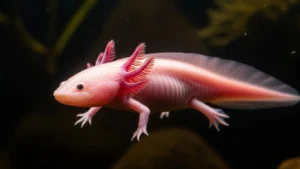
Do Axolotls Have Lungs? The Surprising Truth About Their Breathing
Abdul Wasay Khatri
Do Axolotls Have Eyes? Everything You Need To Know About Axolotl Vision
Abdul Wasay Khatri
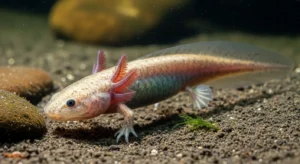
What Powers Do Axolotls Have? Understanding Their Real Biological Abilities
Abdul Wasay Khatri