Are Axolotls Nocturnal?

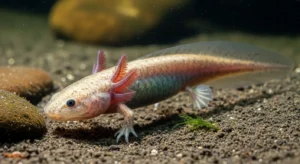
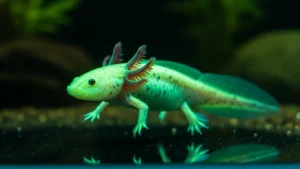
Yes, axolotls are naturally nocturnal creatures who become most active after dark. They spend daylight hours resting in shaded spots or hiding under decorations. Once evening arrives, they start exploring, hunting for food, and moving around the tank more energetically. In the wild, this nighttime activity protects them from predators and helps them avoid bright sunlight that damages their sensitive skin.

Why Axolotls Prefer the Dark
Axolotls lack eyelids, which means they can’t close their eyes to block out harsh light. Bright conditions cause them genuine discomfort and stress. Their eyes work better in dim environments where they can detect movement and shadows more easily.
Wild axolotls live in murky lake waters with lots of vegetation blocking sunlight. This naturally dark habitat shaped their behavior over thousands of years. They evolved to hunt small prey at night when competition from other predators drops significantly.
In home tanks, you’ll notice your axolotl becomes livelier around sunset. They’ll start walking along the bottom, sniffing around for food, and checking out different areas they ignored all day. Some owners report their pets doing what looks like a happy dance or zoomies once the room gets dark.
This nocturnal schedule doesn’t mean your axolotl sleeps all day. They take frequent naps but also have brief active periods during daylight. You might catch them repositioning themselves, yawning, or doing slow laps around the tank. These daytime activities are normal and nothing to worry about.
Room lighting affects their comfort level dramatically. Overhead lights or direct sunlight streaming through windows can keep your axolotl stressed and hidden constantly. Dim ambient lighting creates a much happier environment.
Working With Their Natural Rhythm
Feed your axolotl during evening hours when they’re naturally alert and hungry. Morning feedings often get ignored because they’re still in rest mode. Dropping food into the tank around 7-9 PM typically gets the best response.
Keep tank lights off or very dim throughout the day. If you want to watch your pet during daylight, use low-wattage bulbs or indirect room lighting instead of bright aquarium lights. Red or blue spectrum lights bother them less than white lights.
Provide plenty of hiding spots where they can retreat from any light. Caves, plants, or PVC pipes give them safe spaces to rest comfortably. A well-hidden axolotl is usually a happy axolotl.
Don’t worry if your pet adjusts slightly to your schedule over time. Some axolotls learn when feeding happens and start showing activity before their usual evening routine. This flexibility doesn’t change their core nocturnal nature.
Avoid loud noises or sudden movements near the tank during their rest periods. Even though they’re awake, daytime is their quiet time for low-energy activities and recovery.
Common Nocturnal Behavior Questions
Is it bad if my axolotl is active during the day?
Not necessarily. Brief daytime activity is normal. Constant daytime movement might signal stress or water quality issues though.
Should I turn off all lights at night?
Room lights are fine. Just avoid bright tank lights that shine directly on them 24/7.
Can I change their schedule to match mine?
You can’t really change their biology. They’ll always prefer nighttime activity no matter what you try.
Do they sleep with their eyes open?
Yes, because they don’t have eyelids. You’ll see them resting motionless with eyes wide open.
Administrator
Abdul Wasay is the founder and lead author of Axolotl Portal, a trusted site for axolotl care. He spent almost nine months learning about axolotls, including their tanks, feeding, water care, and common health problems. His knowledge comes from trusted vets, research, and real experience from long term axolotl owners. All Posts by