
Do Axolotls Need Light?

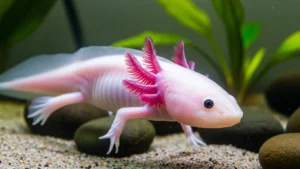
No, axolotls don’t need special tank lighting and actually prefer dim environments. They have no eyelids and are sensitive to bright light, which causes stress and discomfort. Natural room light during the day provides enough illumination for you to view them and for them to navigate their tank. If you want tank lighting for aesthetic purposes, use low-wattage LED lights on a timer no more than 8-10 hours daily. Complete darkness at night is essential since axolotls are naturally most active in dim conditions. Avoid placing their tank in direct sunlight, which raises water temperature dangerously.

How Light Affects Axolotls
Their eyes lack protective eyelids, making them vulnerable to bright light. Imagine staring at a lamp all day without being able to close your eyes that’s what intense lighting feels like to them. They’ll hide constantly under decorations or in corners trying to escape the brightness, which creates chronic stress.
Natural behavior patterns revolve around low-light conditions. In the wild, they lived in murky lake waters with limited light penetration. They hunt and explore during dawn, dusk, and nighttime when light levels drop. Bright midday lighting contradicts their natural instincts and makes them lethargic or anxious.
Algae growth explodes under strong lighting. While a bit of algae doesn’t harm axolotls directly, excessive growth clouds the water, covers decorations, and indicates potential water quality issues. Dim lighting keeps algae under control naturally without chemicals.
Heat from lights raises tank temperature a serious problem for cold-water axolotls. Incandescent and some fluorescent bulbs generate significant warmth. Even LED lights produce some heat when left on continuously. During summer, tank lights can push water temperature into dangerous ranges above 68°F.
Lighting Options That Work
Room lighting provides sufficient visibility. If your tank sits in a living room or bedroom with windows, natural daylight cycles give axolotls the light rhythm they need. They’ll be less active during bright afternoon hours and more active during evening dimness.
Low-wattage LED lights work for viewing purposes. Choose lights under 10 watts for a 20-40 gallon tank. LEDs produce minimal heat compared to other bulb types and last years without replacement. Mount them on timers set for 6-8 hours maximum to mimic natural day/night cycles.
Moonlight or blue LEDs create nighttime viewing opportunities. These specialized bulbs emit very dim blue light that doesn’t stress axolotls but lets you watch their nighttime activity. Use these sparingly maybe 1-2 hours in the evening when you want to observe them.
Plants need light if you include live vegetation. However, most plants that tolerate low light and cool water like java fern, anubias, or marimo moss balls thrive under minimal lighting. These species need only 6-8 hours of low-intensity light daily, which aligns perfectly with axolotl preferences.
Quick Questions
Can I keep axolotls in a room with no windows?
Yes, as long as you turn room lights on during the day and off at night to maintain a natural cycle. They don’t need sunlight specifically any light/dark rhythm works.
Do axolotls need UVB lighting like reptiles?
Absolutely not. UVB lighting is for reptiles that need vitamin D synthesis. Axolotls get all necessary nutrients from their diet and don’t require any special lighting.
Will my axolotl’s colors fade without light?
No, coloration comes from genetics and diet, not lighting. Proper nutrition with varied foods maintains vibrant colors better than any light setup.
Can I use colored LED lights?
Dim colored LEDs are fine occasionally, but avoid constant use. Red and blue wavelengths affect their behavior less than white light, but darkness remains their preference.
How do I know if my lighting is too bright?
If your axolotl constantly hides, refuses to explore during the day, or has pale, stressed-looking gills, reduce lighting intensity or duration immediately.
Administrator
Abdul Wasay is the founder and lead author of Axolotl Portal, a trusted site for axolotl care. He spent almost nine months learning about axolotls, including their tanks, feeding, water care, and common health problems. His knowledge comes from trusted vets, research, and real experience from long term axolotl owners. All Posts by
Related Guides
How to Save a Dying Axolotl: Emergency Steps That Actually Work
Abdul Wasay Khatri
What Substrate is Safe for Axolotls?
Abdul Wasay Khatri
Do Axolotls Need a Filter?
Abdul Wasay Khatri
Do Axolotls Live In The Ocean? Let Me Clear This Up Once And For All
Abdul Wasay Khatri
Can Axolotls Eat Each Other?
Abdul Wasay Khatri
Buy Best Axolotl Night Light for Kids: Your Ultimate Buying Guide for the Perfect Bedtime Companion
Abdul Wasay Khatri

99 Amazing Axolotl Facts For Kids: Meet the Coolest Water Pet Ever!
Abdul Wasay Khatri
What Are Good Axolotl Names? 100+ Ideas That Actually Fit These Weird Little Creatures
Abdul Wasay Khatri

Do Axolotls Have Superpowers? The Science Behind Their Incredible Abilities
Abdul Wasay Khatri
Why Did Bill Cipher Say “Axolotl”? Decoding Gravity Falls’ Cryptic Final Message
Abdul Wasay Khatri